



How to Grow and Care for Argan Trees: The Complete Guide
Have you ever wondered how to cultivate your own source of liquid gold at home? Growing an argan tree can be a rewarding endeavor that connects you to an ancient Moroccan tradition. While many people simply buy argan oil Morocco authentic products for their beauty routines, growing your own argan tree offers a deeper connection to this remarkable plant. The process requires patience and specific knowledge, but the satisfaction of producing your own argan oil Morocco organic resources makes it worthwhile. Let’s explore how you can grow and care for these special trees at home.
Materials & Supplies
To successfully grow an argan tree, you’ll need:
- Argan seeds or young saplings: These can be difficult to source outside Morocco, but specialty nurseries sometimes carry them.
- Well-draining potting soil: Mix regular potting soil with sand and perlite (2:1:1 ratio).
- Large containers: At least 18-24 inches deep with drainage holes.
- Watering can: For controlled watering.
- Organic fertilizer: Low in nitrogen but rich in phosphorus and potassium.
- Pruning shears: For maintenance trimming.
- Grow lights: If growing indoors in areas with insufficient sunlight.
- Thermometer: To monitor temperature conditions.
- pH testing kit: To maintain optimal soil pH of 7.5-8.2.
- Small trowel and gardening gloves: For transplanting and maintenance.
Timing / Growing Schedule
Growing argan trees requires exceptional patience. Here’s what to expect:
- Seed germination: 2-6 weeks when properly prepared (scarification and soaking)
- Early growth phase: 6-12 months for initial establishment
- Juvenile phase: 3-5 years before the plant resembles a mature tree
- Maturity and fruit production: 5-7 years minimum, often closer to 10 years
- Full production potential: 15-20 years
Compared to most fruit trees which produce within 3-5 years, argan trees are long-term investments. Plan to start seeds in early spring for optimal results.
Step-by-Step Instructions
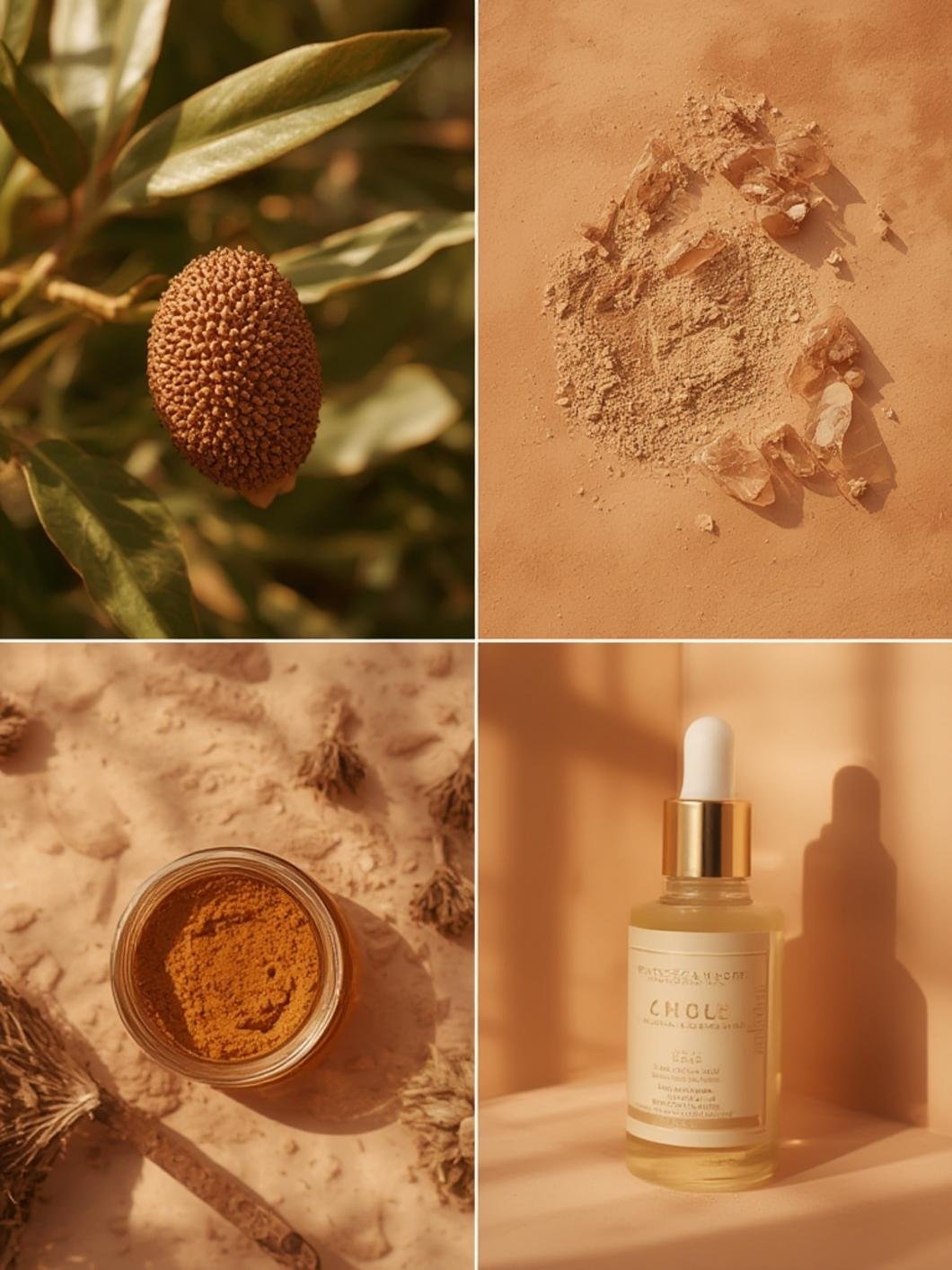
1. Seed preparation: File or nick the hard seed coat slightly and soak in warm water for 24-48 hours to improve germination rates. Those who buy argan oil Morocco authentic products may occasionally find viable seeds, but fresh seeds yield better results.
2. Planting: Place seeds about 1 inch deep in well-draining soil mix. Keep soil barely moist, not wet.
3. Germination environment: Maintain temperature between 70-85°F (21-29°C). Use a heat mat if necessary. Provide bright, indirect light.
4. Seedling care: Once sprouted, move to a spot with 6+ hours of direct sunlight daily. For indoor growers, use grow lights to supplement.
5. Transplanting: When seedlings reach 6-8 inches tall, transplant to larger containers. Add argan oil Morocco organic compost to enhance soil quality.
6. Watering regime: Water sparingly but deeply. Allow the top 2 inches of soil to dry between waterings. Argan trees are drought-tolerant once established.
7. Fertilization: Apply diluted organic fertilizer quarterly during the growing season, avoiding high-nitrogen formulations which promote foliage over fruiting.
Nutritional Benefits / Advantages
Argan trees offer numerous benefits:
- Sustainable resource: Trees live 150-200 years, providing multiple generations with oil.
- Drought resistance: Once established, they require minimal water.
- Soil improvement: Deep root systems prevent erosion and improve soil structure.
- Nutritional oil: Argan oil contains essential fatty acids, vitamin E, and antioxidants.
- Multi-purpose plant: Provides oil, wood, animal fodder, and shade.
- Carbon sequestration: Mature trees are excellent carbon sinks, benefiting the environment.
Tips, Alternative Methods, or Gardening Advice
- Container cultivation: Use large pots with wheels to move trees indoors during cold months in non-Mediterranean climates.
- Greenhouse growing: Ideal for temperate regions to maintain proper temperature and humidity.
- Pruning techniques: Create a multi-stemmed shrub rather than a single-trunked tree for easier harvesting and maintenance.
- Companion planting: Pair with drought-tolerant herbs like rosemary and lavender to maximize space and create a Mediterranean garden atmosphere.
- Bonsai potential: With careful pruning, argan trees can be maintained as ornamental bonsai specimens.
Common Mistakes to Avoid
- Overwatering: The number one killer of argan seedlings is excessive moisture. Allow soil to dry between waterings.
- Insufficient light: Without 6+ hours of direct sunlight, trees become leggy and weak.
- Cold exposure: Temperatures below 20°F (-6°C) will damage or kill argan trees.
- Impatience with fruiting: Expecting quick results leads to disappointment; these trees require years before producing fruit.
- Poor drainage: Soggy soil leads to root rot. Always ensure containers have adequate drainage holes.
Storage / Maintenance Tips
- Winter protection: In zones colder than USDA 9, bring potted trees indoors or provide frost protection.
- Pruning schedule: Lightly prune in early spring to maintain shape and remove damaged branches.
- Pest monitoring: Check regularly for scale insects and spider mites, particularly in dry conditions.
- Root maintenance: Every 2-3 years, carefully root-prune and refresh potting soil to prevent becoming root-bound.
- Fruit harvesting: Collect fruits when they turn yellow and fall naturally from the tree. Process promptly for best oil quality.
Conclusion
Growing argan trees at home requires dedication but offers a unique connection to an ancient botanical tradition. While many prefer to buy argan oil Morocco authentic products directly, cultivating your own tree provides both aesthetic pleasure and potential harvests. The journey from seed to mature tree teaches patience and specialized plant care techniques. Whether you’re interested in argan oil Morocco organic production or simply want a distinctive ornamental specimen, an argan tree is a living treasure worth nurturing. Start your argan growing adventure today, and share your experience with our gardening community!
FAQs
How long does it take for an argan tree to produce fruit?
Argan trees typically begin producing fruit after 5-7 years, but optimal production occurs after 15 years. Be prepared for a long-term commitment.
Can argan trees survive winter in non-Mediterranean climates?
Argan trees can only survive outdoors year-round in USDA zones 9-11. In colder areas, they must be grown in containers and brought indoors during winter months.
How much oil can one argan tree produce?
A mature argan tree (15+ years) produces approximately 30-50 kg of fruit annually, yielding about 1-2 liters of oil after processing.
Is it legal to grow argan trees outside Morocco?
Yes, it’s legal to grow argan trees outside Morocco, though exporting viable seeds from Morocco may be restricted. Purchase seeds or saplings from reputable nurseries in your country.
How tall will an argan tree grow in a container?
Container-grown argan trees can be maintained at 5-8 feet through regular pruning, though they can potentially grow to 30 feet in natural conditions when planted in the ground.