

Growing and Caring for Moroccan Mint: A Complete Guide to This Aromatic Herb
Have you ever experienced the refreshing aroma of authentic Moroccan mint tea and wondered if you could grow this magnificent herb at home? The art of cultivating Moroccan mint connects you to centuries of tradition while providing your garden with a versatile, aromatic plant. Growing this fragrant herb not only allows you to create authentic morocco product experiences in your kitchen but also introduces you to the world of Morocco leather goods and culture through the botanical gateway. Moroccan mint (Mentha spicata var. crispa) is considerably easier to grow than many exotic herbs, making it perfect for both novice and experienced gardeners.
Materials & Supplies
To successfully grow Moroccan mint at home, you’ll need:
1. Mint seedlings or cuttings – Moroccan mint is rarely grown from seeds; starter plants ensure authenticity
2. Well-draining potting soil – Look for mixes designed for herbs or vegetables
3. Containers with drainage holes – 12-inch pots are ideal; mint spreads aggressively in garden beds
4. Organic compost – To enrich your soil and boost growth
5. Liquid fertilizer – Balanced, diluted formula specifically for herbs
6. Pruning shears – For regular harvesting and maintenance
7. Watering can – With gentle spray for consistent moisture
8. Plant markers – To identify your mint varieties
9. Optional: Root barriers – If planting directly in garden beds
Timing / Growing Schedule
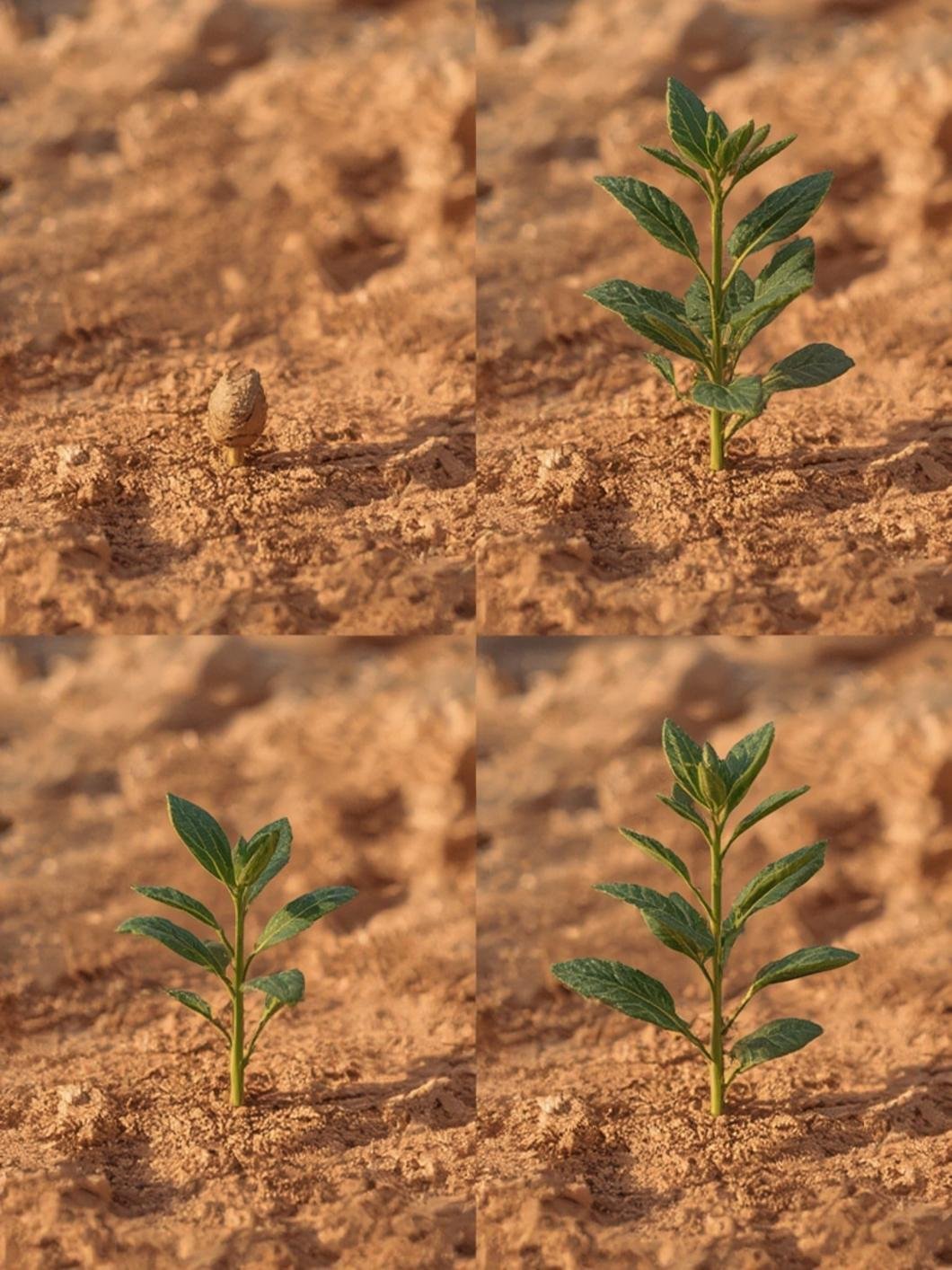
Moroccan mint thrives with this timeline:
– Preparation time: 1-2 days for soil preparation and planting
– Initial growth period: 2-3 weeks until established
– First harvest: 6-8 weeks after planting
– Peak growing season: Spring through early fall
– Winter dormancy: Growth slows significantly in cold months
– Perennial lifespan: 3-5 years before needing refreshing
Unlike other herbs that may take months to mature, Moroccan mint provides quick gratification, with usable leaves appearing within weeks of planting. Its rapid growth cycle makes it perfect for impatient gardeners!
Step-by-Step Instructions

1. Select your location: Choose a spot with partial shade to full sun. Morning sun with afternoon shade is ideal in hotter climates.
– Pro tip: In extremely hot regions, provide more shade to prevent leaf scorching.
2. Prepare your container: Fill a container with well-draining potting mix, leaving 1 inch of space at the top.
– Pro tip: Add a layer of gravel at the bottom to improve drainage.
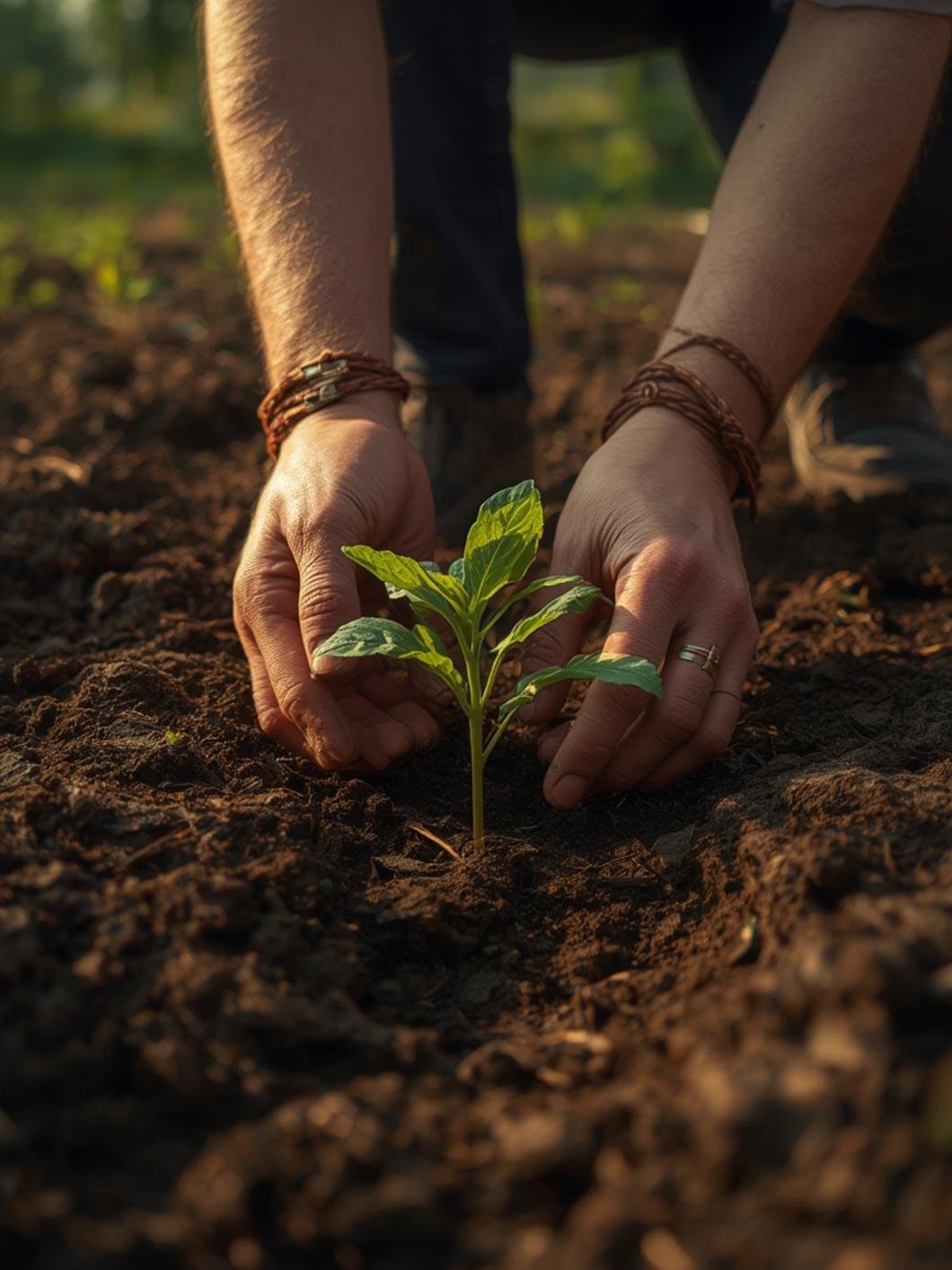
3. Plant your mint: Dig a hole twice the width of the root ball. Place the plant and gently firm the soil around it.
– Pro tip: If using cuttings, remove lower leaves and place stems in water until roots form before planting.
4. Water thoroughly: Soak until water drains from the bottom of the container.
– Pro tip: Allow the top inch of soil to dry slightly between waterings.
5. Fertilize sparingly: Apply diluted liquid fertilizer monthly during the growing season.
– Pro tip: Over-fertilizing reduces essential oil concentration and flavor.
Just as morocco product craftsmen pay attention to detail in their work, you must monitor your mint’s growth patterns to ensure healthy development. Similarly, the care invested in Moroccan mint echoes the meticulous attention given to Morocco leather goods, where patience and proper technique yield exceptional results.
Nutritional Benefits / Advantages
Moroccan mint offers impressive health benefits:
– Rich in antioxidants that fight free radicals
– Contains menthol, which aids digestion and soothes upset stomachs
– Provides vitamins A and C for immune support
– Contains essential minerals including manganese and copper
– Features rosmarinic acid with anti-inflammatory properties
– Offers antimicrobial benefits that help freshen breath naturally
Tips, Alternative Methods, or Gardening Advice
– Container rotation: Turn pots weekly for even growth
– Indoor growing: Place near south-facing windows with at least 6 hours of sunlight
– Hydroponic option: Mint thrives in water-based systems with proper nutrients
– Companion planting: Grows well with tomatoes and cabbage but keep away from parsley
– Vertical gardening: Utilize hanging planters to maximize small spaces
– Winter protection: Move containers indoors or use frost cloth in colder regions
Common Mistakes to Avoid
1. Overwatering: Causes root rot and fungal diseases
– Solution: Allow soil to dry slightly between waterings
2. Poor containment: Mint becomes invasive in garden beds
– Solution: Use containers or install deep root barriers
3. Insufficient harvesting: Leads to woody, less productive plants
– Solution: Harvest regularly to encourage bushy growth
4. Ignoring pests: Aphids, spider mites, and rust can damage plants
– Solution: Inspect regularly and treat with neem oil or insecticidal soap
Storage / Maintenance Tips
– Regular harvesting: Pinch stems just above a leaf node every 2-3 weeks
– Drying: Hang bundles upside down in a cool, dry place for 1-2 weeks
– Freezing: Chop leaves and freeze in water in ice cube trays
– Dividing: Split root-bound plants every 2 years to rejuvenate
– Winter care: Reduce watering during dormancy and protect from frost
– Pruning: Cut back leggy growth to encourage bushiness
Conclusion
Growing Moroccan mint at home connects you to a rich cultural tradition while providing endless culinary and aromatic benefits. This versatile herb requires minimal effort yet delivers maximum reward through its refreshing flavor and medicinal properties. Just as morocco product artisans pour their passion into creating authentic items, you can channel your gardening energy into cultivating this exceptional herb. The satisfaction of brewing tea from your own mint leaves rivals the appreciation one feels for handcrafted Morocco leather goods – both representing tradition, quality, and attention to detail. Start your Moroccan mint journey today and discover why this herb has been treasured for centuries!
FAQs
How often should I water my Moroccan mint?
Water when the top inch of soil feels dry to the touch, typically every 2-3 days in summer and less frequently in winter. Consistent moisture without waterlogging is key.
Can I grow Moroccan mint indoors year-round?
Yes, with a south-facing window providing at least 6 hours of sunlight daily. Supplement with grow lights during winter months and maintain humidity with pebble trays.
Why are my mint leaves turning yellow?
Yellowing leaves typically indicate overwatering, nutrient deficiencies, or pest problems. Check drainage, apply diluted fertilizer, and inspect the undersides of leaves for pests.
How do I make authentic Moroccan mint tea from my harvested leaves?
Steep 1 tablespoon fresh leaves (or 1 teaspoon dried) with green tea leaves and sweeten generously with sugar. Pour from height between cups several times to create the characteristic foam and aerate the tea.
Can Moroccan mint cross-pollinate with other mint varieties?
Yes, mint varieties readily cross-pollinate when flowering. To maintain the authentic Moroccan mint characteristics, harvest regularly to prevent flowering or keep different mint varieties separated.