

Growing Argan Trees at Home: A Comprehensive Guide
Have you ever wondered if you could grow your own argan tree and produce that liquid gold known as argan oil? Many people who have read an argan oil morocco avis or review have become fascinated with this remarkable plant native to Morocco. While most praise centers around the argan oil skin benefits, growing the tree itself can be a rewarding challenge for dedicated gardeners. This guide will walk you through the process of growing argan trees at home, though it requires patience as these trees are slow-growing and adapted to very specific conditions.
Materials & Supplies
To grow an argan tree at home, you’ll need:
1. Argan seeds – Fresh seeds have better germination rates
2. Well-draining potting soil – Mix with sand for better drainage
3. Large pots (at least 12-15 inches deep) with drainage holes
4. Cactus/succulent potting mix – To blend with regular soil
5. Watering can with gentle spray
6. Small greenhouse or propagation tray – For germination
7. Heat mat (optional but helpful) – To maintain warm soil
8. Grow lights – If indoor light is insufficient
9. Sand paper – For scarifying seeds
10. Fungicide (optional) – To prevent damping off
Timing / Growing Schedule
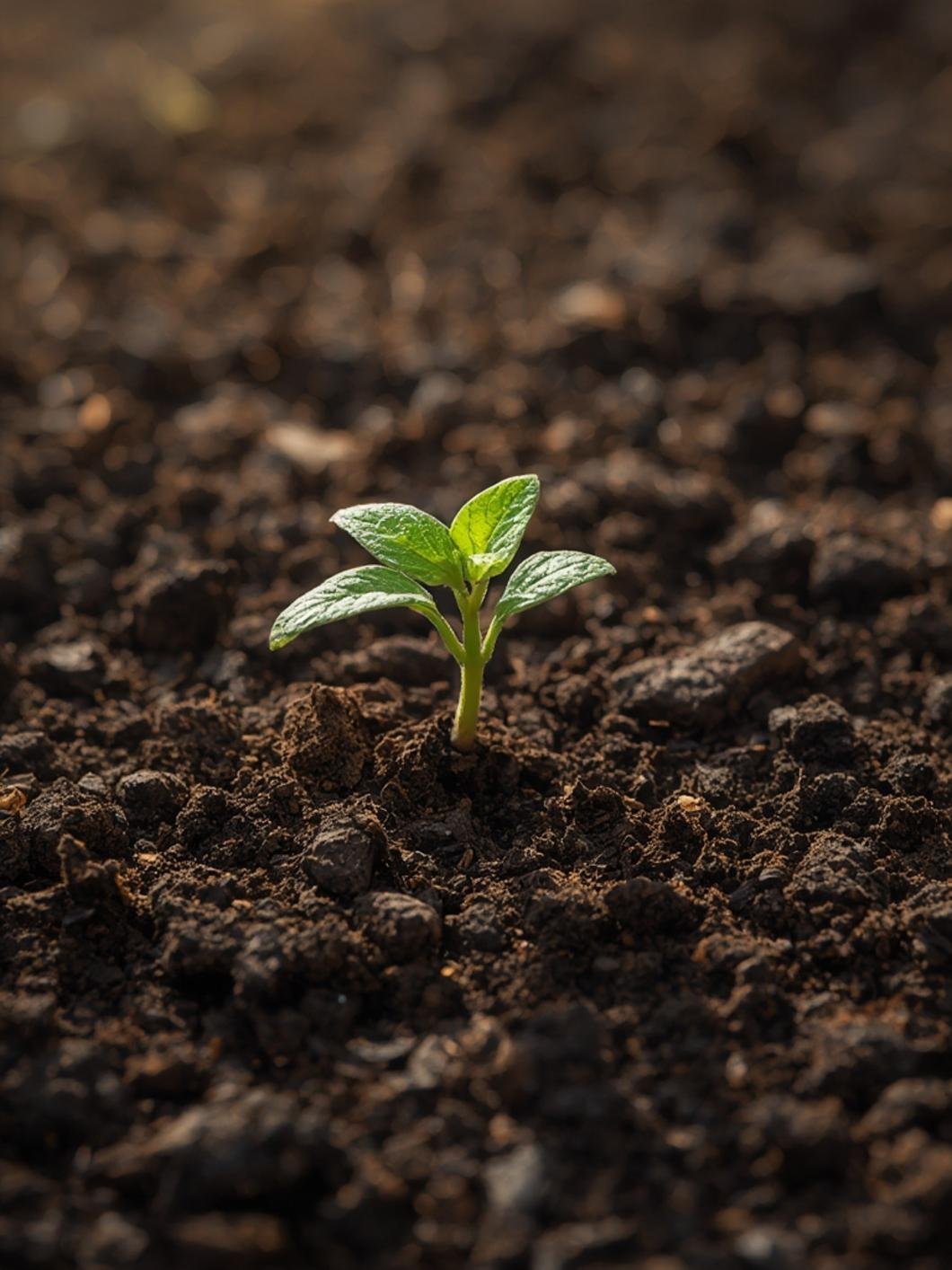
Growing argan trees requires extreme patience. Here’s the timeline:
- Seed preparation: 1-2 weeks for soaking and scarification
- Germination period: 3-8 weeks (highly variable)
- Seedling stage: 6-12 months
- Juvenile growth: 2-5 years before significant height
- Maturity: 7-10 years before potential fruiting
For perspective, commercial argan trees are typically 30+ years old before optimal oil production. This is not a quick-reward plant but rather a long-term botanical investment.
Step-by-Step Instructions
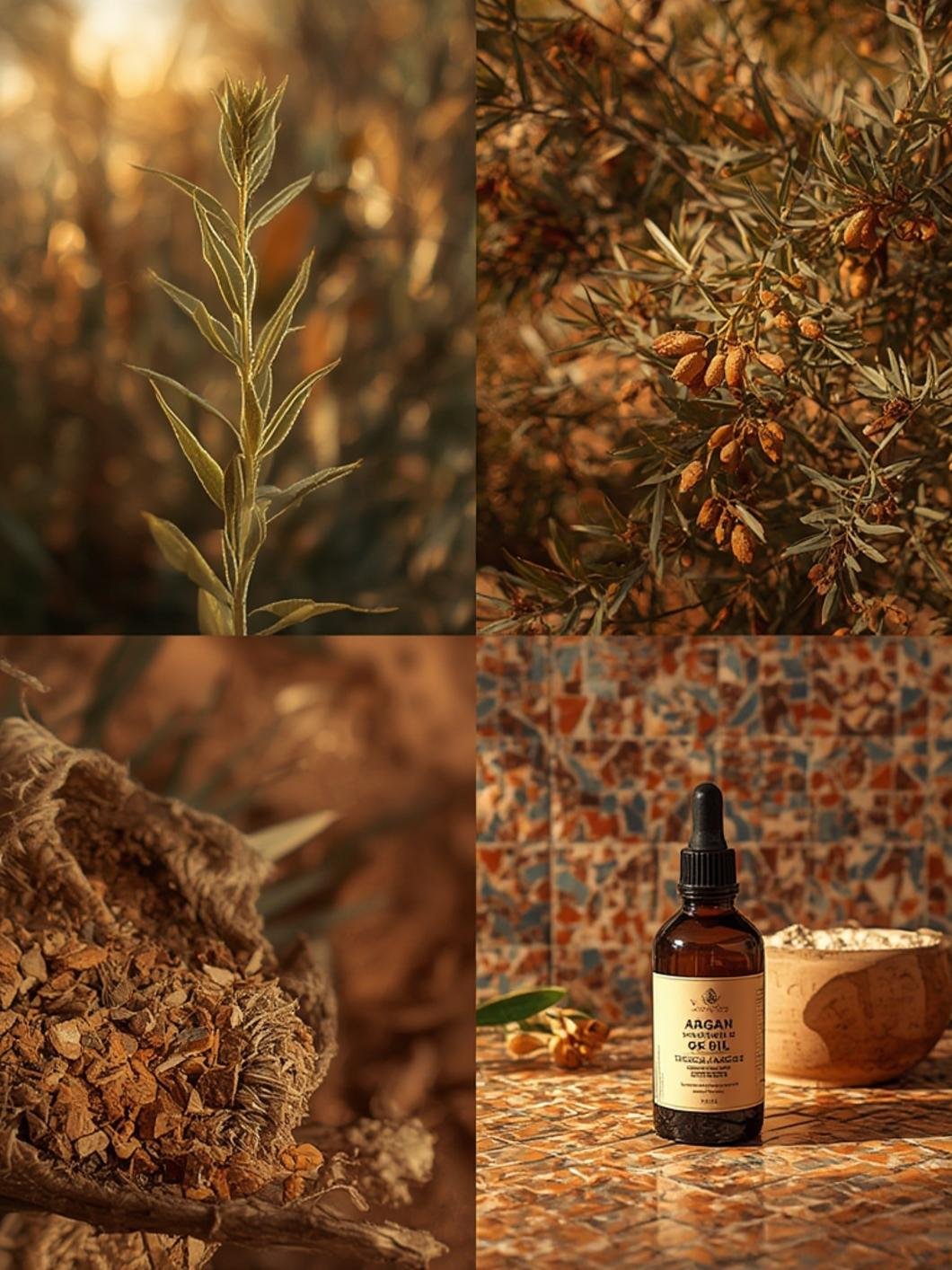
1. Prepare the seeds:
* Soak seeds in warm water for 24-48 hours to soften the hard shell
* Lightly scarify the seed coat with sandpaper to help with germination
* Consider a fungicide treatment to prevent mold
2. Plant the seeds:
* Mix equal parts cactus soil and regular potting mix with added sand
* Place seeds 1-inch deep in small pots or propagation trays
* Water lightly but thoroughly
3. Create optimal germination conditions:
* Maintain soil temperature between 70-85°F (21-29°C)
* Place in bright, indirect light
* Keep soil consistently moist but not soggy
4. Care for seedlings:
* Once sprouted, gradually increase light exposure
* Water only when the top inch of soil is dry
* Apply diluted cactus fertilizer every 4-6 weeks
5. Transplant carefully:
* Move to larger pots once seedlings have several sets of true leaves
* Use soil mix that mimics their native rocky, well-draining habitat
After reviewing many an argan oil morocco avis, it’s clear that recreating the tree’s natural environment is crucial. The same careful attention that produces oil with amazing argan oil skin benefits must be applied when growing these special trees.
Nutritional Benefits / Advantages
Argan trees offer multiple benefits beyond their famous oil:
- Sustainable resource that can live for 150-200 years
- Drought-tolerant once established, perfect for water-conscious gardening
- Seeds contain up to 50% oil rich in vitamin E and essential fatty acids
- Trees help prevent soil erosion in their native habitat
- Growing them contributes to biodiversity conservation efforts
Tips, Alternative Methods, or Gardening Advice
- Container adaptation: While naturally large trees, argan can be maintained as container specimens with careful pruning
- Indoor growing: Possible in sunny locations with 6+ hours of direct sunlight
- Climate considerations: Thrives in USDA zones 9-11; elsewhere, treat as a container plant to bring indoors during winter
- Pruning strategy: Maintain as a small tree or large shrub through selective pruning
- Simulating natural conditions: Occasional “drought periods” help mimic natural cycles
Common Mistakes to Avoid
1. Overwatering: The quickest way to kill argan seedlings; allow soil to dry between waterings
2. Insufficient light: Leads to leggy, weak growth; these are full-sun trees
3. Cold exposure: Temperatures below 20°F (-6°C) can kill young trees
4. Impatience: Giving up too soon; germination and growth are notoriously slow
5. Rich soil: Using standard potting soil without amendments; argan trees prefer poor, rocky soil
Storage / Maintenance Tips
- Watering: Deep but infrequent watering once established
- Pruning: Minimal pruning needed; remove dead or crossing branches in late winter
- Winter care: Protect from frost if temperatures drop below freezing
- Pest management: Watch for scale insects and spider mites in dry conditions
- Fertilizing: Light application of low-nitrogen fertilizer once yearly in spring
Conclusion
Growing an argan tree at home is a challenging but rewarding project for the dedicated gardener. While you may not produce enough fruit for significant oil extraction, the satisfaction of nurturing this rare species is immense. If you’re interested in argan oil morocco avis and argan oil skin benefits, growing the source of this treasure connects you to a centuries-old tradition. Start your argan growing journey today, and even if oil production isn’t your goal, you’ll have a unique conversation piece and living connection to Morocco’s botanical heritage.
FAQs
How long does it take for an argan tree to produce fruit?
Argan trees typically take 7-10 years before producing their first fruits when grown from seed. Commercial production trees are often decades old.
Can argan trees survive indoors?
Yes, but they need very bright conditions with at least 6 hours of direct sunlight daily and proper seasonal temperature variations to thrive long-term.
Do argan trees need special soil?
They prefer well-draining, rocky soil with low organic content. A mix of cactus soil, regular potting soil, and coarse sand works well.
How tall will an argan tree grow in a container?
With proper pruning and root management, container-grown argan trees can be maintained at 3-6 feet tall while still remaining healthy.
Are argan trees resistant to pests and diseases?
They’re relatively resistant once established, but young trees can be susceptible to root rot, scale insects, and spider mites if growing conditions aren’t optimal.