
The Best Fluffy Pancakes recipe you will fall in love with. Full of tips and tricks to help you make the best pancakes.


Growing Argan Trees: A Complete Guide for Home Gardeners
Have you ever wondered about cultivating your own argan tree at home? This rare and valuable plant native to Morocco offers both beauty and utility to home gardeners willing to take on the challenge. Exploring morocco bio diversity through growing argan trees can be incredibly rewarding, as these plants represent an important part of traditional Morocco organic gardening practices. With patience and proper care, you can grow this extraordinary tree that’s known for producing one of the world’s most expensive oils.
Materials & Supplies
To successfully grow an argan tree at home, you’ll need:
1. Argan seeds or saplings: Can be difficult to source outside Morocco; look for specialty nurseries or online suppliers.
2. Well-draining soil mix: Create a mixture of regular potting soil, sand, and perlite (2:1:1 ratio).
3. Large containers: Start with a 1-gallon pot, eventually transferring to a 15-20 gallon container.
4. Watering can: For controlled watering.
5. Organic fertilizer: Low-nitrogen, phosphorus-rich fertilizer is ideal.
6. Pruning shears: For maintenance as the tree grows.
7. Heat mat: To provide bottom heat for germination.
8. Grow lights: If indoor light is insufficient.
9. Humidity dome or plastic wrap: To create greenhouse conditions for germination.
10. pH testing kit: To ensure soil stays between 7.5-8.0.
Timing / Growing Schedule
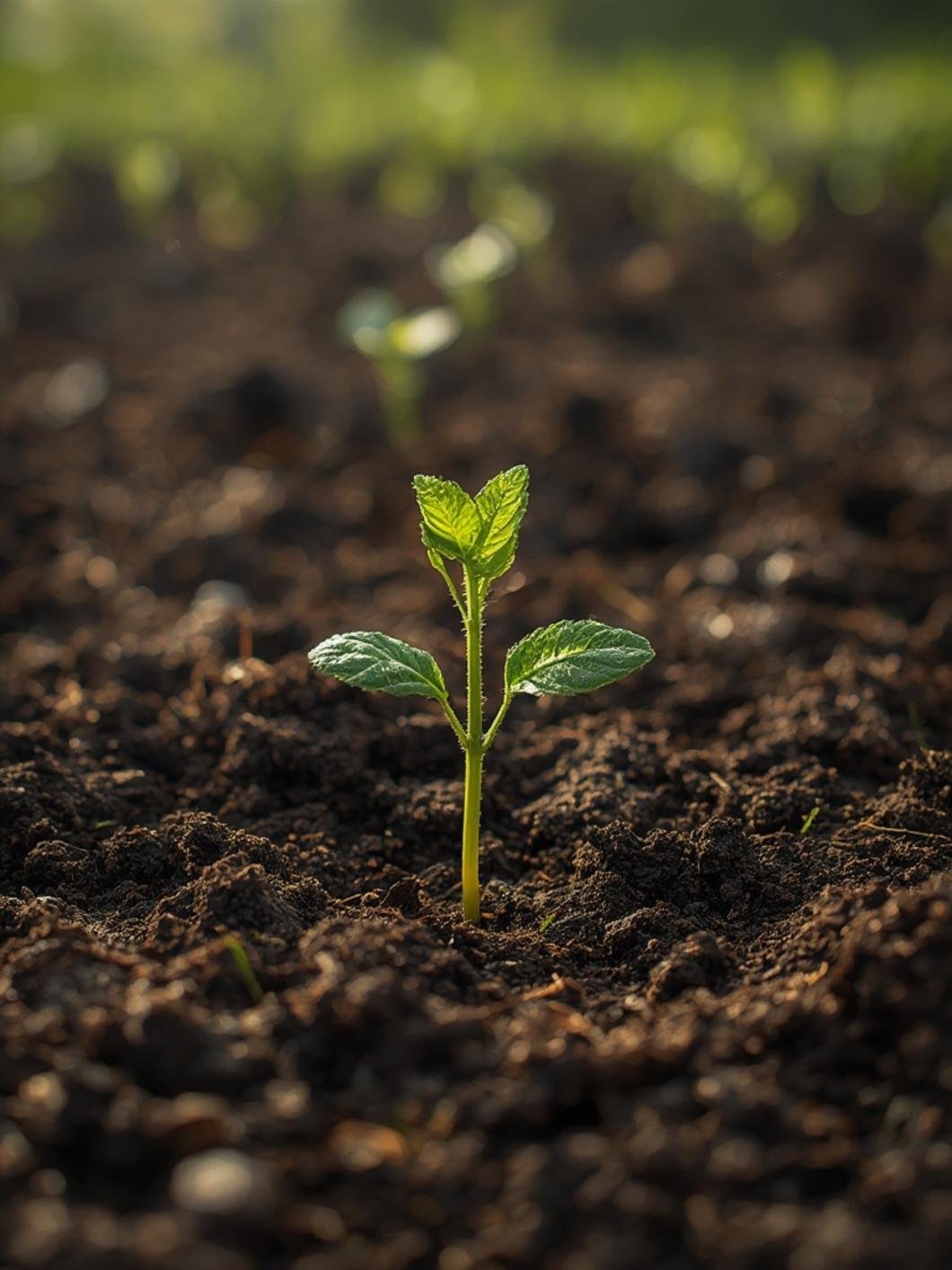
Argan trees require significant patience. Here’s what to expect:
- Germination time: 3-8 weeks with proper scarification
- Early growth phase: First 1-2 years focused on establishing a healthy root system
- Maturity timeline: 5-7 years before the tree begins producing fruit
- Harvest period: Once mature, fruit production occurs annually, typically in late summer
Compared to most fruit trees, argan trees develop quite slowly, but they can live for 150-200 years once established, making them a true generational plant.
Step-by-Step Instructions
1. Scarify the seeds: File down a small section of the hard seed coat and soak in warm water for 24-48 hours.
2. Plant the seeds: Use well-draining soil in small pots, placing seeds 1 inch deep.
3. Create germination conditions: Cover with plastic to maintain humidity and use bottom heat (70-75°F). Following morocco bio agricultural traditions, some gardeners recommend alternating between wet and dry periods to simulate natural conditions found in Morocco organic gardening environments.
4. Initial care: Once sprouted, provide bright, indirect light and keep soil barely moist.
5. Transplanting: Move to larger pots as the plant grows, using increasingly well-draining soil.
6. Hardening off: If growing outdoors in suitable climates (USDA zones 9-11), gradually acclimate plants to outdoor conditions.
7. Long-term care: Water sparingly once established (argan trees are drought-tolerant), provide full sun, and protect from temperatures below 35°F.
Nutritional Benefits / Advantages
Argan trees produce nutrient-rich nuts containing:
- High concentrations of vitamin E and essential fatty acids
- Antioxidants that benefit skin and hair
- Compounds that may help regulate cholesterol levels
Beyond personal health benefits, growing argan trees contributes to biodiversity conservation and supports a tradition of sustainable agriculture.
Tips, Alternative Methods, or Gardening Advice
- Container growing: Perfect for areas outside natural growing zones, allowing you to move plants indoors during cold weather.
- Bonsai techniques: Argan trees respond well to bonsai training for ornamental purposes.
- Greenhouse cultivation: Provides ideal conditions for year-round growth in cooler climates.
- Indoor growing: Possible with sufficient light (minimum 6 hours direct sunlight or grow lights).
- Water harvesting: Implement traditional Moroccan water conservation techniques for authentic cultivation.
Common Mistakes to Avoid
1. Overwatering: The leading cause of argan tree failure; allow soil to dry between waterings.
2. Insufficient drainage: Can lead to root rot; always use well-draining soil and containers with drainage holes.
3. Improper temperature management: Protect from frost and extreme heat, especially young trees.
4. Impatience with germination: Seeds can take several weeks to sprout; avoid disturbing them during this period.
5. Using chemical fertilizers: Argan trees prefer organic amendments that don’t shock their sensitive root systems.
Storage / Maintenance Tips
- Pruning: Minimal pruning needed; remove dead or crossing branches during early spring.
- Winter care: In cooler regions, move containers indoors before temperatures drop below 35°F.
- Fertilization: Apply organic, low-nitrogen fertilizer once in spring and once in early summer.
- Pest management: Monitor for scale insects and spider mites, treating with neem oil if necessary.
- Harvesting: Collect fruits when they fall naturally from the tree, then dry before processing for oil or kernels.
Conclusion
Growing argan trees at home connects you to ancient morocco bio traditions while creating a unique addition to your garden. Though these trees require patience and specific care, the rewards—both aesthetic and practical—make them worth the effort. By following the guidelines in this guide and embracing the principles of Morocco organic gardening, you can successfully cultivate this extraordinary tree. Start your argan growing journey today, and share your experiences with fellow gardening enthusiasts!
FAQs
How long does it take for an argan tree to produce fruit?
Argan trees typically begin producing fruit after 5-7 years of growth, with full productivity reached around 15 years of age.
Can argan trees survive winter in non-Mediterranean climates?
Argan trees cannot tolerate frost and should be brought indoors or into a greenhouse when temperatures drop below 35°F (1.7°C).
How tall will my argan tree grow in a container?
Container-grown argan trees can be maintained at 6-10 feet through occasional root pruning and proper container sizing.
Is it legal to grow argan trees outside of Morocco?
Yes, it’s legal to grow argan trees outside Morocco, though obtaining seeds or saplings may be challenging due to export restrictions on genetic resources.
How often should I water my argan tree?
Young trees need consistent moisture (but never soggy soil). Once established (after 1-2 years), water deeply but infrequently, allowing the soil to dry between waterings.