

Growing the Miraculous Argan Tree at Home: A Complete Guide
Have you ever wondered if you could grow your own argan tree at home to produce that liquid gold known as argan oil? This incredible plant native to Morocco has gained worldwide popularity for its numerous cosmetic and culinary applications. Understanding para que sirve argan oil morocco (what Moroccan argan oil is used for) can inspire you to cultivate this tree yourself. From hair care to skin treatments, the beneficios del aceite de argán (benefits of argan oil) are truly remarkable. Let’s explore how you can grow this valuable tree in your own space and eventually harvest its precious fruit.
Materials & Supplies
To successfully grow an argan tree at home, you’ll need:
1. Argan seeds or saplings – These can be difficult to source outside Morocco, but specialized nurseries may carry them
2. Well-draining soil mix – Combine sandy soil with perlite or pumice (2:1 ratio)
3. Terracotta pot – At least 12 inches deep with drainage holes
4. Watering can – For controlled watering
5. Grow lights – If growing indoors or in areas with limited sunlight
6. Organic fertilizer – Low in nitrogen but high in phosphorus
7. Pruning shears – For maintaining the tree as it grows
8. Heat mat – To maintain optimal germination temperature
9. pH testing kit – Argan trees prefer slightly alkaline soil (pH 7.5-8.0)
10. Neem oil – For organic pest control
Timing / Growing Schedule
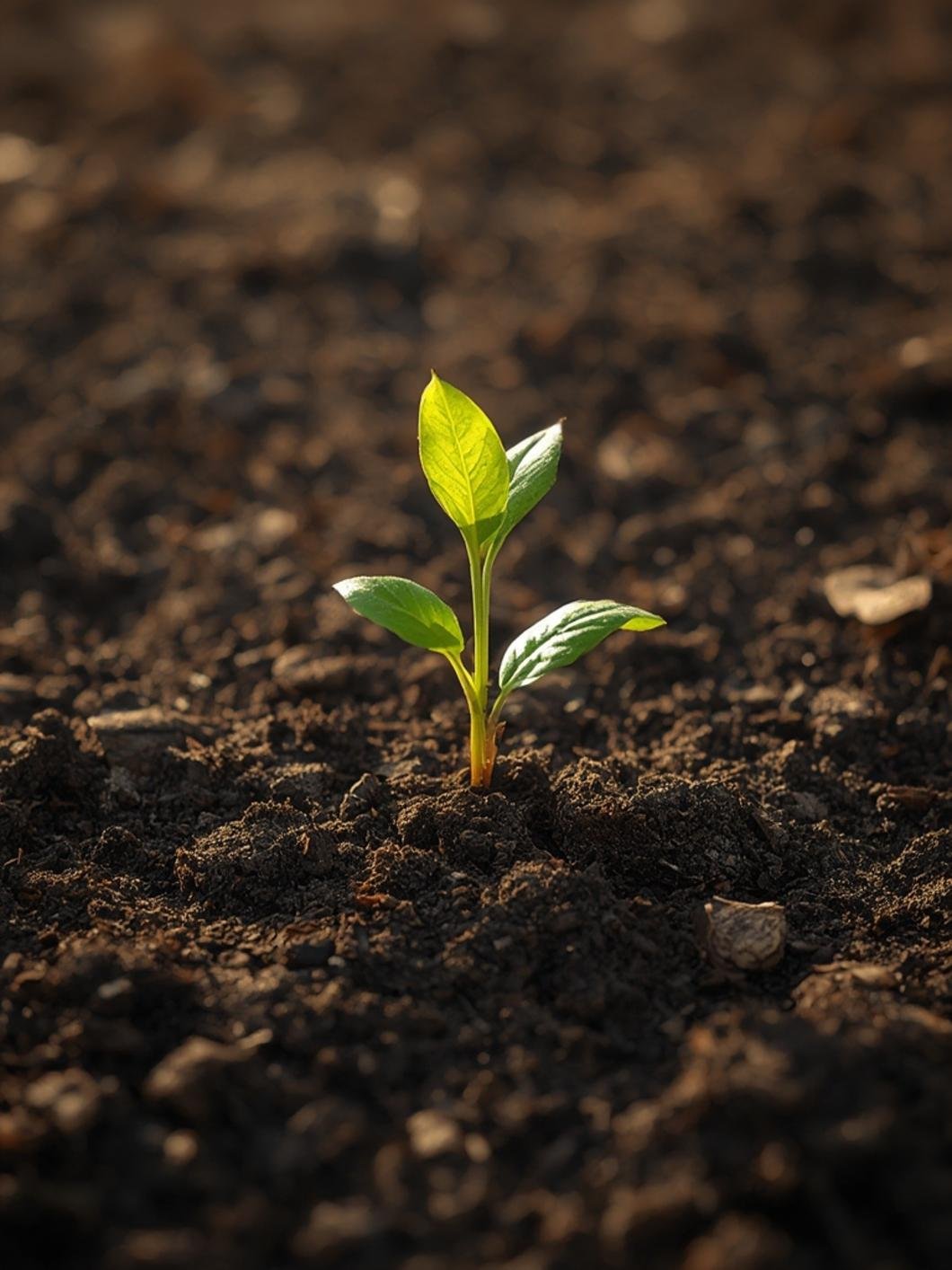
Growing an argan tree requires significant patience as these trees develop slowly:
- Germination period: 3-8 weeks under optimal conditions
- Seedling development: 6-12 months before transplanting
- Growth to maturity: 5-7 years before producing fruit
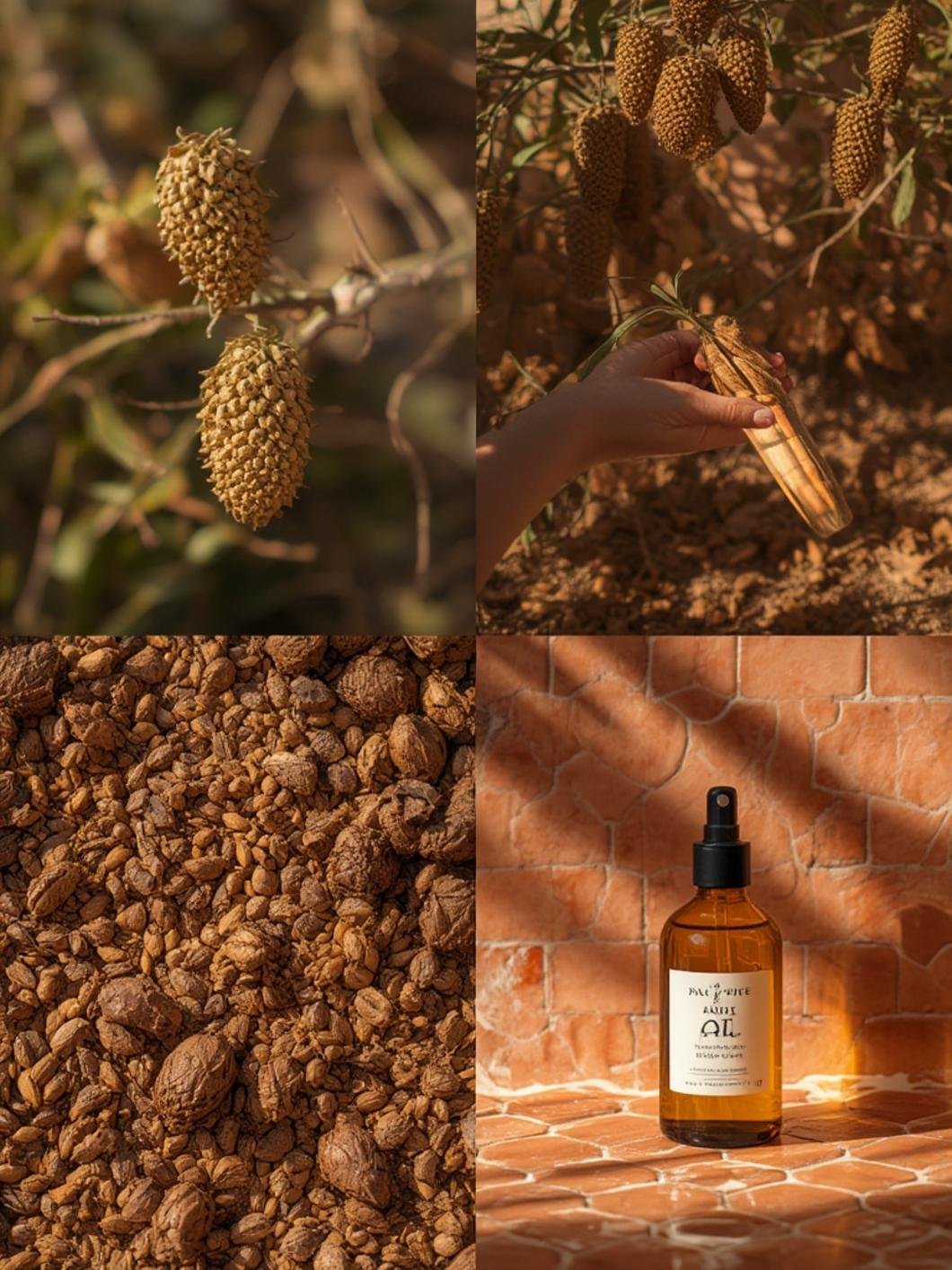
- Harvest time: Late summer to early fall when fruits turn yellow
- Full production: Trees reach peak oil production at 30-50 years
- Overall lifespan: Can live 150-200 years with proper care
Unlike common fruit trees that may produce within 3-5 years, argan trees require a longer investment of time but reward patience with decades of production.
Step-by-Step Instructions
1. Seed preparation
* Soak argan seeds in warm water for 24-48 hours to soften the hard shell
* Change water daily to prevent mold growth
* Look for seeds that sink rather than float as these are more viable
2. Planting
* Fill your pot with the well-draining soil mix
* Plant seeds 1-2 inches deep, positioned horizontally
* Cover lightly with soil and water thoroughly
3. Creating optimal conditions
* Place in a warm location (75-85°F/24-29°C)
* Maintain consistent moisture without waterlogging
* If using a heat mat, set to 80°F (27°C)
4. Care during germination
* Mist soil surface regularly to maintain humidity
* Be patient! The para que sirve argan oil morocco question requires understanding that quality argan production begins with proper germination
* Once sprouted, gradually increase light exposure
5. Transplanting and long-term care
* When seedlings reach 6-8 inches tall, transplant to larger containers
* Provide at least 6 hours of direct sunlight daily
* Water deeply but infrequently to encourage deep root growth
* Apply beneficios del aceite de argán knowledge by treating your tree with respect—it’s a slow-growing investment
Nutritional Benefits / Advantages
Argan oil contains:
- High levels of vitamin E (tocopherols)
- Essential fatty acids (omega-3 and omega-6)
- Antioxidant-rich polyphenols
- Sterols that help reduce inflammation
- Natural squalene for skin protection
Growing your own argan tree provides sustainable access to these benefits while reducing the carbon footprint associated with imported products.
Tips, Alternative Methods, or Gardening Advice
- Container rotation – Turn your pot regularly to ensure even growth
- Climate considerations – In zones below 9a-10b, bring trees indoors during winter
- Indoor growing – Place near south-facing windows and supplement with grow lights
- Humidity control – Mist leaves regularly if growing in dry indoor environments
- Simulated drought – Occasionally allow soil to dry completely to mimic natural conditions
- Companion planting – Grow alongside herbs like rosemary and lavender that thrive in similar conditions
Common Mistakes to Avoid
1. Overwatering – This is the most common cause of argan tree failure; allow soil to dry between waterings
2. Using heavy soils – Clay-heavy mixes will suffocate roots; stick to sandy, well-draining options
3. Cold exposure – Temperatures below 20°F (-7°C) can kill young trees
4. Insufficient sunlight – Trees receiving less than 6 hours of direct light will grow poorly
5. Transplanting too early – Wait until seedlings are well-established before moving to larger containers
Storage / Maintenance Tips
- Pruning – Shape young trees annually in early spring to maintain an open crown
- Fertilizing – Apply diluted organic fertilizer once in spring and once in mid-summer
- Winter care – Reduce watering by 50% during dormant winter months
- Harvesting – Collect fruits when they turn yellow and dry them thoroughly before extracting kernels
- Oil storage – Store extracted oil in dark glass bottles in a cool location to maintain potency
Conclusion
Growing an argan tree at home is a rewarding long-term project that connects you to an ancient botanical tradition. While it requires patience, the eventual reward of harvesting your own argan fruit makes the journey worthwhile. Understanding para que sirve argan oil morocco and the beneficios del aceite de argán gives you a deeper appreciation for this remarkable tree. Start your argan growing journey today and share your progress with our gardening community!
FAQs
How long does it take for an argan tree to produce fruit?
Argan trees typically begin producing fruit after 5-7 years of growth, with optimal production occurring after 15-20 years.
Can argan trees survive in cold climates?
Argan trees are native to arid regions and prefer warm temperatures. They cannot tolerate sustained temperatures below 20°F (-7°C) and should be brought indoors or protected during winter in colder regions.
How often should I water my argan tree?
Water thoroughly but infrequently—typically once every 7-14 days depending on your climate. Allow the soil to dry completely between waterings.
Can I grow an argan tree indoors permanently?
Yes, with sufficient light from a south-facing window supplemented with grow lights. However, the tree will likely remain smaller and may not produce significant fruit when grown entirely indoors.
How do I extract oil from argan fruits at home?
After harvesting and drying the fruits, crack open the hard shells to extract the kernels. Roast the kernels lightly, grind them into a paste, and press to extract the oil—though home extraction yields relatively small amounts of oil compared to commercial processes.