

The Complete Guide to Growing Argan Trees at Home: Nurturing Morocco’s Liquid Gold
Have you ever wondered if it’s possible to grow your own argan tree, the source of the precious oil used in luxury haircare products like shampoo maroc oil? This rare tree, native to Morocco and prized for its oil-rich nuts, has captivated the beauty world with its extraordinary moisturizing properties. Growing an argan tree at home can be both a rewarding hobby and a connection to the centuries-old traditions of Morocco where shampoing huile d’argan Maroc has been a staple in local beauty routines for generations.
Materials & Supplies
To successfully grow an argan tree at home, you’ll need:
1. Argan Seeds or Seedlings: These can be difficult to source; specialty nurseries or online exotic plant retailers may carry them.
2. Well-Draining Potting Mix: Create a mix of regular potting soil, coarse sand, and perlite (ratio 2:1:1).
3. Large Container: A 15-20 gallon pot with drainage holes is ideal for mature trees.
4. Watering Can: For controlled watering.
5. Grow Lights: If growing indoors in cooler climates.
6. Organic Fertilizer: Low-nitrogen, phosphorus-rich formula.
7. Pruning Shears: For maintenance trimming.
8. Humidity Tray: To maintain proper moisture levels.
9. Plant Support Stakes: Young argan trees may need support.
10. pH Testing Kit: To monitor soil conditions.
Timing / Growing Schedule
Argan trees are slow-growing specimens that require patience:
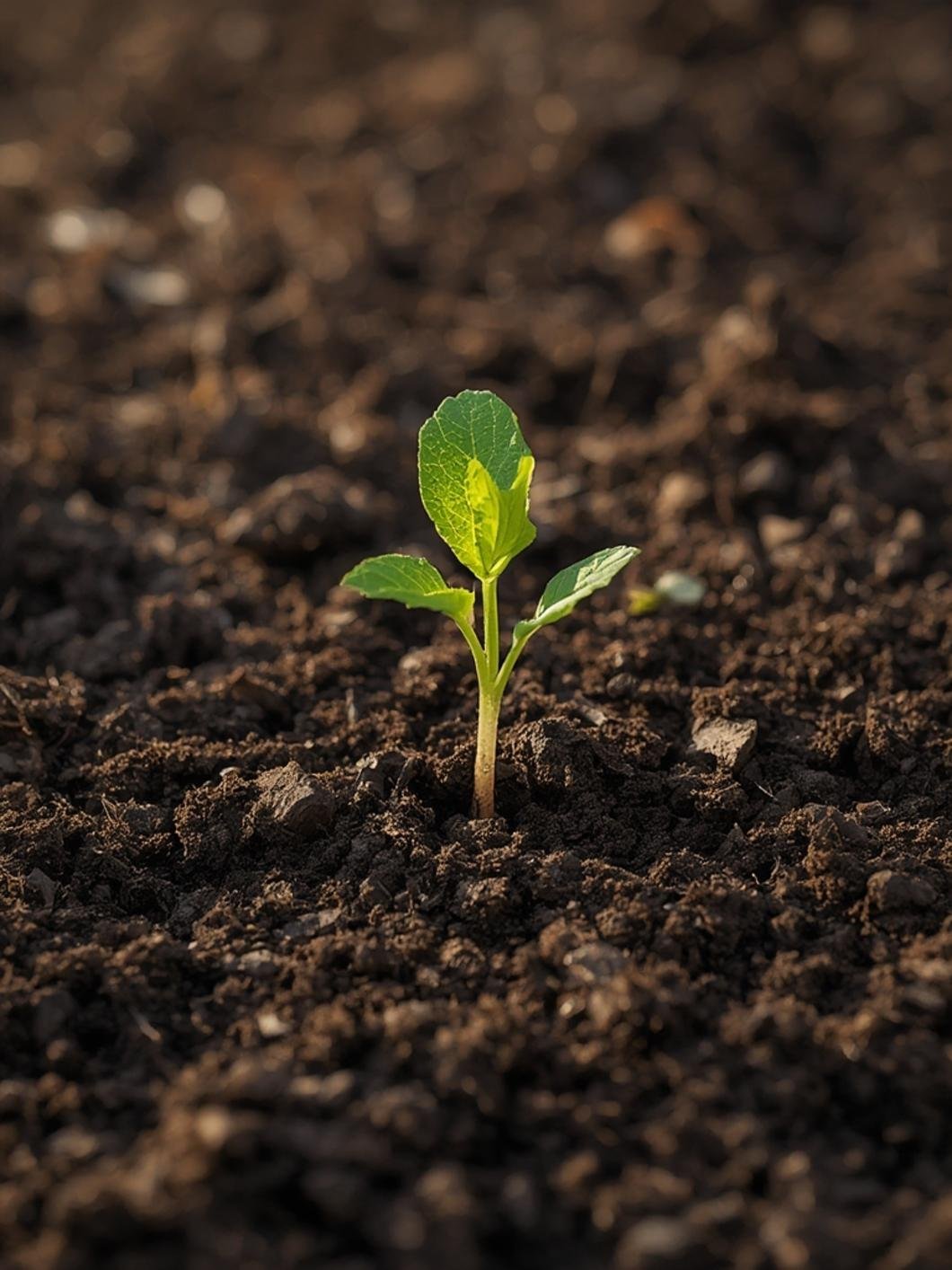
– Germination: 3-8 weeks for seeds to sprout
– Seedling Stage: 1-2 years in small pots before transplanting
– Growth Rate: Approximately 1 foot per year under optimal conditions
– Maturity: 5-7 years before potential fruiting
– Harvest Potential: First modest nut production after 7+ years
Compared to most fruit trees which may produce within 3-5 years, argan trees require a longer commitment but can live for 150-200 years when properly cared for.
Step-by-Step Instructions
1. Seed Preparation
– Soak argan seeds in warm water for 24-48 hours to soften the hard shell.
– Gently nick the seed coat with sandpaper to improve germination rates.
2. Planting
– Fill a 4-inch pot with well-draining seed-starting mix.
– Plant seeds 1 inch deep and keep soil consistently moist but not soggy.
– Maintain temperatures between 70-85°F (21-29°C) for optimal germination.
3. Seedling Care
– Once seedlings reach 6 inches, transplant to a larger pot.
– Place in bright, indirect light, gradually increasing sun exposure.
– Water when the top 2 inches of soil feel dry—argan trees are drought-tolerant once established.
4. Long-Term Care
– Transplant to progressively larger containers as the tree grows.
– Apply a balanced, slow-release fertilizer in spring.
– Recreate the tree’s native conditions with bright light and well-draining soil, similar to the environment where shampoo maroc oil originates.
5. Climate Considerations
– Keep indoor argan trees in temperatures above 60°F (15°C).
– Provide excellent air circulation to prevent fungal issues.
– Ensure plants receive 6+ hours of bright light daily.
Nutritional Benefits / Advantages
Argan trees provide multiple benefits beyond their ornamental value:
– The nuts contain oil rich in vitamin E and essential fatty acids
– Growing your own creates a sustainable source of high-quality argan oil
– The trees are carbon-sequestering and can live for centuries
– They’re drought-tolerant once established, making them environmentally friendly
– The cultivation preserves a species classified as endangered in its native habitat
Tips, Alternative Methods, or Gardening Advice
– Container Adaptation: Keep trees pruned to 6-8 feet for indoor cultivation.
– Climate Simulation: Use heat mats and grow lights in cooler regions.
– Pollination: Hand-pollinate flowers with a small brush if growing indoors.
– Bonsai Technique: Argan trees can be trained as bonsai specimens for smaller spaces.
– Greenhouse Growing: Consider a small greenhouse for optimal growing conditions.
Common Mistakes to Avoid
1. Overwatering: Argan trees prefer dry conditions; excess moisture leads to root rot.
2. Insufficient Light: Trees receive inadequate sunlight, leading to weak growth.
3. Improper Soil: Using standard potting soil without improving drainage.
4. Cold Exposure: Allowing temperatures to drop below 60°F (15°C).
5. Impatience: Expecting quick growth or early nut production.
Storage / Maintenance Tips
– Pruning: Shape trees annually in early spring to maintain size and form.
– Winter Care: Move outdoor potted trees inside when temperatures drop below 60°F (15°C).
– Pest Management: Inspect regularly for spider mites and scale insects.
– Fertilization Schedule: Feed lightly in spring and summer; avoid fertilizing in fall/winter.
– Repotting: Repot every 2-3 years, refreshing soil and trimming roots as needed.
Conclusion
Growing argan trees at home connects you to a fascinating botanical treasure and the rich cultural heritage behind shampoing huile d’argan Maroc. While these trees require patience and specific care, the reward of nurturing this remarkable species makes the journey worthwhile. Whether you’re fascinated by exotic plants or interested in sustainable beauty, argan trees offer a unique growing experience. Start your argan cultivation project today and join the community of home gardeners preserving this precious botanical resource while enjoying the satisfaction of connecting to the source of your favorite shampoo maroc oil products.
FAQs
How long until my argan tree will produce nuts?
Argan trees typically take 7-10 years before producing their first nuts when grown in ideal conditions. Indoor cultivation may extend this timeline.
Can argan trees survive winter outdoors in the US?
Argan trees can only survive outdoors year-round in USDA zones 9-11. In cooler regions, they must be grown as container plants and brought indoors during winter.
How much oil can one argan tree produce?
A mature argan tree can produce 10-30kg of fruit annually, yielding approximately 1-3 liters of oil after processing.
Are argan trees difficult to grow from seed?
Yes, they have a relatively low germination rate (30-60%) and require special preparation. Consider purchasing seedlings for greater success.
Can I harvest and process argan nuts at home?
Yes, though traditional processing is labor-intensive. Nuts must be dried, cracked carefully to extract kernels, and pressed to release oil.