

How to Grow and Nurture the Perfect Shea Tree at Home
Have you ever wondered what it takes to grow your own shea tree, the source of that luxurious butter found in so many beauty products? While typically found in African savannas, growing a shea tree (Vitellaria paradoxa) at home can be a rewarding project for dedicated gardeners. The rich oils produced by these trees are used in premium shea moisture marrakech collections and shea moisture parfum lines that have gained popularity worldwide. With patience and the right techniques, you can cultivate this valuable tree in suitable climates or even as a container specimen in controlled environments.
Materials & Supplies
To successfully grow a shea tree, you’ll need:
– Shea tree seeds or young saplings (from specialized tropical plant suppliers)
– Well-draining potting soil with sandy loam composition
– Large containers (at least 24 inches deep) if not planting in-ground
– Organic compost or well-rotted manure
– Watering can with gentle spray
– Moisture meter
– Balanced, slow-release fertilizer (low in nitrogen)
– Pruning shears
– Shade cloth or greenhouse (for cooler climates)
– Heat mat (for germination in cooler regions)
– pH testing kit (aim for 6.0-7.0)
Timing / Growing Schedule
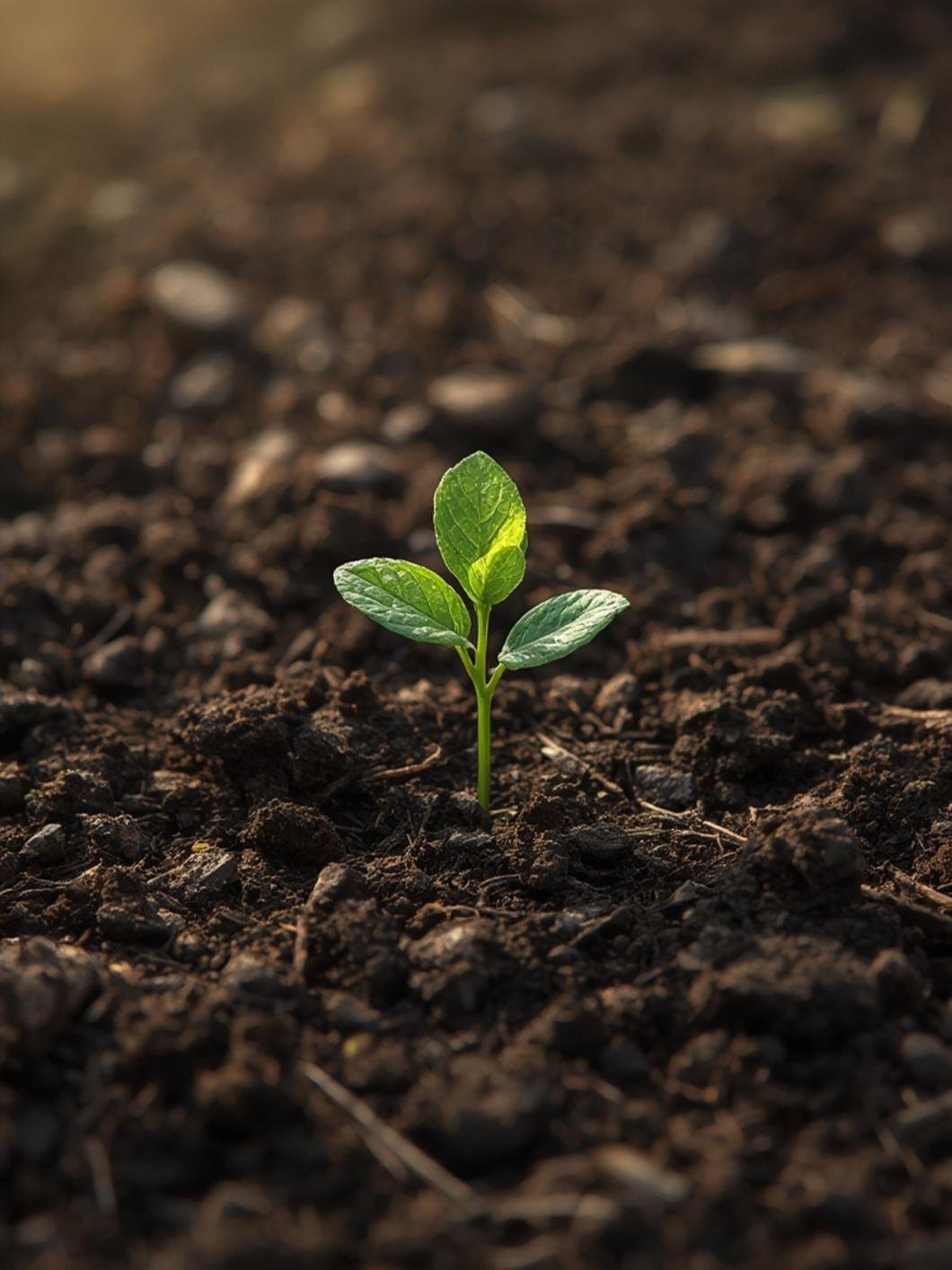
Shea trees are long-term investments, requiring significant patience:
– Seed germination: 3-8 weeks under ideal conditions (75-85°F)
– Seedling to transplant size: 6-12 months
– Young tree establishment: 2-4 years
– First flowering: 10-15 years (yes, years!)
– First substantial harvest: 15-20 years
– Peak production: 20-30 years
This timeline explains why shea butter remains precious—these trees demand decades before reaching full production. However, even young trees make attractive ornamentals with their distinctive silvery-green foliage.
Step-by-Step Instructions
1. Seed Preparation: Soak fresh shea seeds in warm water for 24-48 hours to soften the hard outer shell and improve germination rates.
2. Planting: Place seeds horizontally in well-draining soil, covering them with 1-2 inches of soil. For regions outside USDA zones 10-12, use deep containers that can be moved indoors during cooler seasons.
3. Germination Environment: Maintain soil temperature around 80°F using heat mats if necessary. Keep soil consistently moist but not waterlogged.
4. Seedling Care: Once sprouted, provide bright indirect light. Young shea trees appreciate morning sun but need protection from harsh afternoon rays.
5. Transplanting: When seedlings reach 8-12 inches tall with several true leaves, transplant to larger containers or a permanent outdoor location in suitable climates.
6. Ongoing Care: Water deeply but infrequently, allowing soil to dry slightly between waterings. Like the plants used for shea moisture marrakech products, these trees naturally thrive in hot, semi-arid conditions with seasonal rainfall.
Nutritional Benefits / Advantages
Shea trees offer multiple benefits:
– Shea nuts contain 45-50% fat content rich in vitamins A, E, and F
– The extracted butter provides excellent moisturizing properties
– Growing your own ensures ethical sourcing and purity
– The trees sequester carbon and can help combat desertification
– They provide shade and soil improvement in home landscapes
– Shea butter contains anti-inflammatory compounds including cinnamic acid
Tips, Alternative Methods, or Gardening Advice
For those without tropical climates:
– Consider greenhouse cultivation with controlled humidity
– Use grow lights to supplement natural light during winter months
– Plant in wheeled containers to move trees according to seasonal needs
– Try bonsai techniques for smaller, manageable specimens
– Simulate dry/wet seasons to encourage proper development
– Create microclimates with heat-reflecting surfaces and wind protection
Common Mistakes to Avoid

1. Overwatering: Shea trees are drought-tolerant once established. Excessive moisture causes root rot and fungal issues.
2. Improper Climate Expectations: These trees need prolonged warm temperatures. Don’t expect outdoor success in zones below USDA 10.
3. Impatience: Many gardeners give up before trees mature. Remember this is a long-term project measured in decades.
4. Over-fertilizing: Too much nitrogen promotes foliage at the expense of fruiting. Use balanced, slow-release options sparingly.
5. Insufficient Space: Mature shea trees can reach 40-60 feet tall. Plan accordingly for container cultivation or landscape placement.
Storage / Maintenance Tips
– Prune only during the dry season to prevent disease entry points
– Apply mulch to retain moisture and suppress weeds
– Protect from cold drafts if grown indoors
– Monitor for pests like scale insects and mealybugs
– Reduce watering during dormant periods
– Clean fallen leaves promptly to prevent disease spread
– Repot container specimens every 2-3 years with fresh soil
Conclusion
Growing a shea tree at home requires patience, dedication, and the right conditions, but offers remarkable rewards for persistent gardeners. Whether you’re fascinated by the process or dream of eventually harvesting your own nuts for homemade shea moisture parfum products, these magnificent trees connect you to centuries of African agricultural tradition. Start your journey with realistic expectations, and you’ll gain a fascinating specimen that becomes more valuable with each passing year. Why not challenge yourself with this unique gardening project?
FAQs
How long does a shea tree live?
Shea trees are extremely long-lived, often surviving 200-300 years in their native habitat. With proper care, even container specimens can thrive for decades.
Can I harvest shea nuts from a young tree?
No, shea trees require 10-15 years before first flowering and 15-20 years before significant nut production. This is why authentic shea products command premium prices.
Do shea trees need pollination to produce nuts?
Yes, they typically require cross-pollination from another shea tree. In container cultivation, hand pollination with a small brush can substitute when trees mature enough to flower.
Can I grow a shea tree indoors permanently?
While challenging, it’s possible with sufficient light, space, and seasonal temperature variations. Consider a sunroom or greenhouse with at least 8 hours of bright light daily.