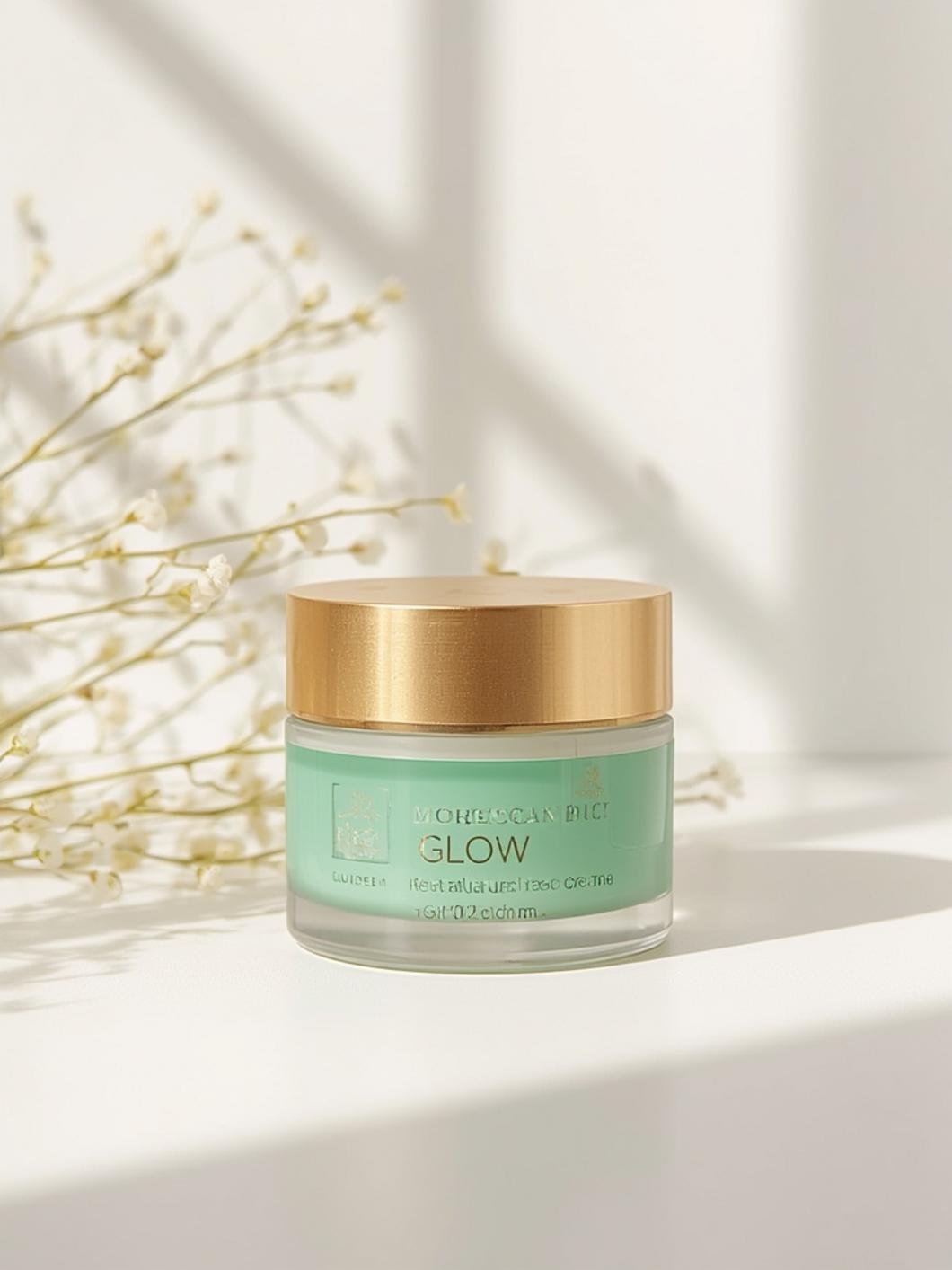
Growing the Argan Tree: A Complete Guide to Cultivating Morocco’s Liquid Gold
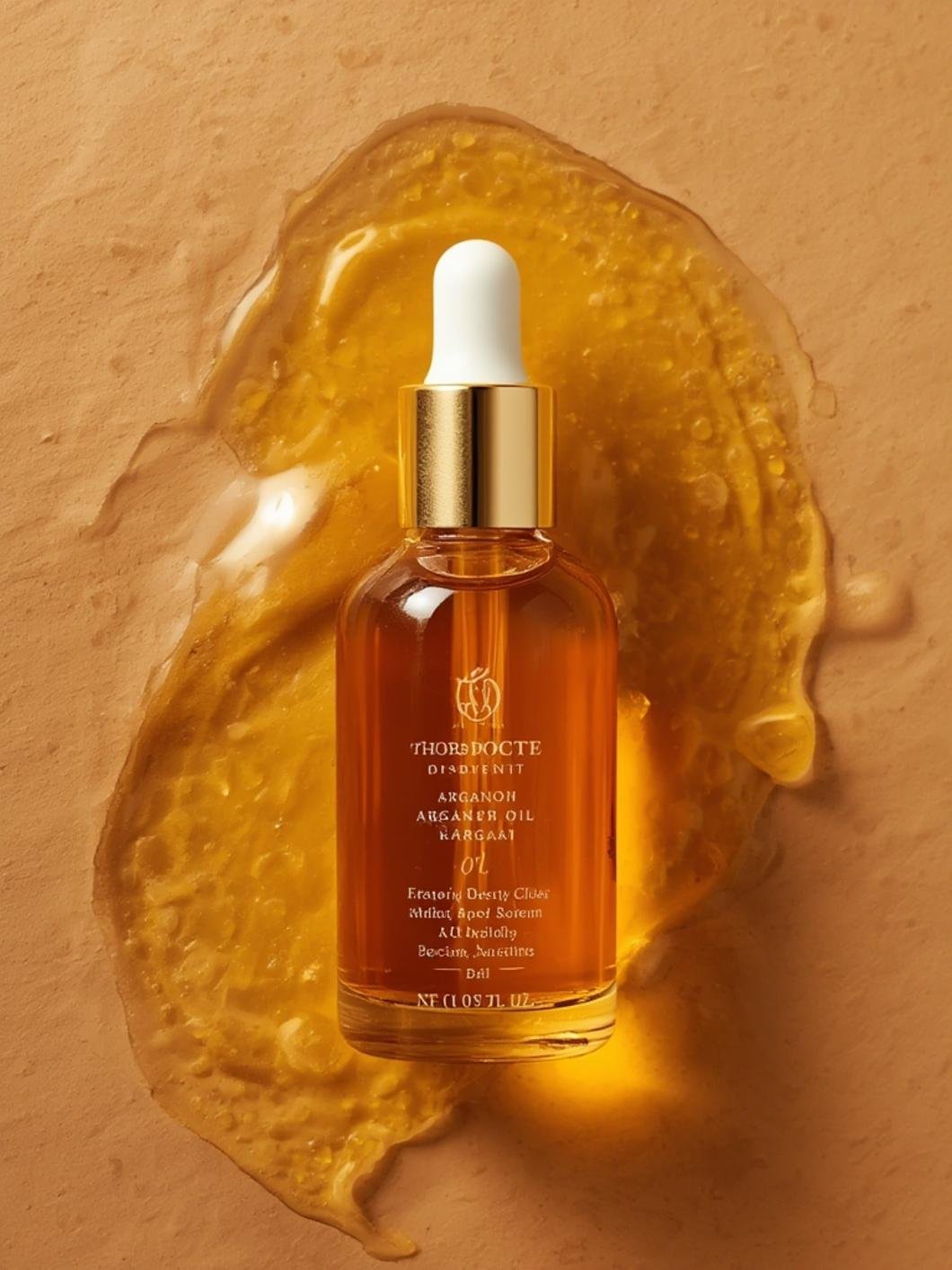
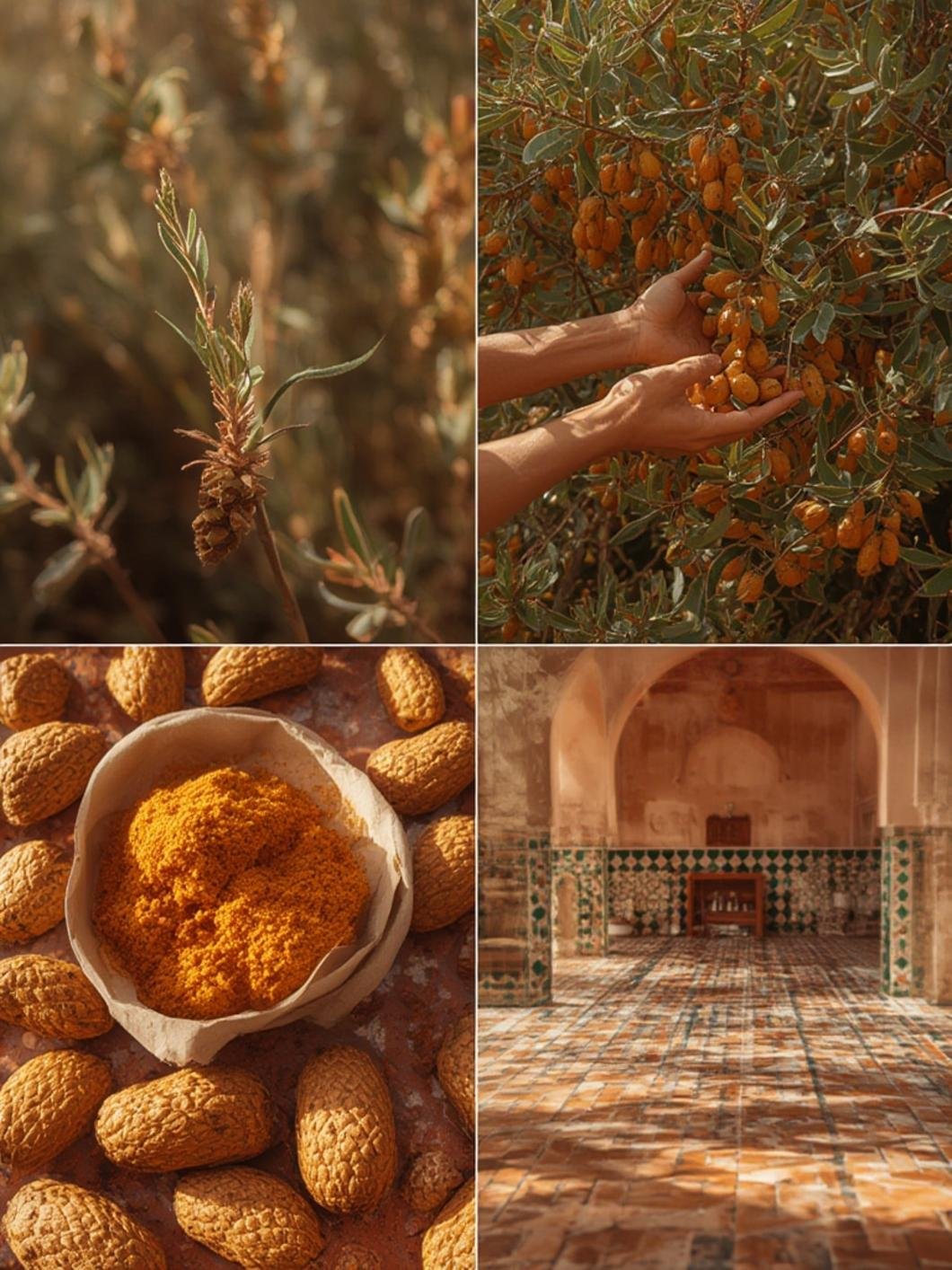
Have you ever marveled at the wonders of natural beauty oils and wished you could grow their source in your own backyard? The argan tree, native to Morocco and producer of the precious argan olie of morocco, is a fascinating specimen with a rich history dating back thousands of years. Though challenging, cultivating this drought-resistant tree at home can be an incredibly rewarding experience. The argan oil Morocco benefits are numerous – from its cosmetic properties to its nutritional value – making it a prized possession for any dedicated gardener willing to take on the challenge.
Materials & Supplies
To begin your argan tree growing journey, you’ll need to gather these essential items:
- Argan seeds or young saplings: Sourcing viable seeds can be challenging; consider specialty nurseries or reputable online suppliers.
- Well-draining soil: Mix regular potting soil with sand and perlite at a 2:1:1 ratio.
- Large containers or pots: At least 20 inches deep with drainage holes.
- Watering can: For controlled, gentle watering.
- Organic fertilizer: Low-nitrogen, phosphorus-rich formula.
- Pruning shears: For maintenance as the tree grows.
- Grow lights: Optional but helpful in cooler climates with limited sunlight.
- Humidity dome or plastic wrap: To create microclimate during germination.
- pH testing kit: To monitor soil conditions.
- Heat mat: Optional for colder regions to ensure proper germination temperatures.
Timing / Growing Schedule
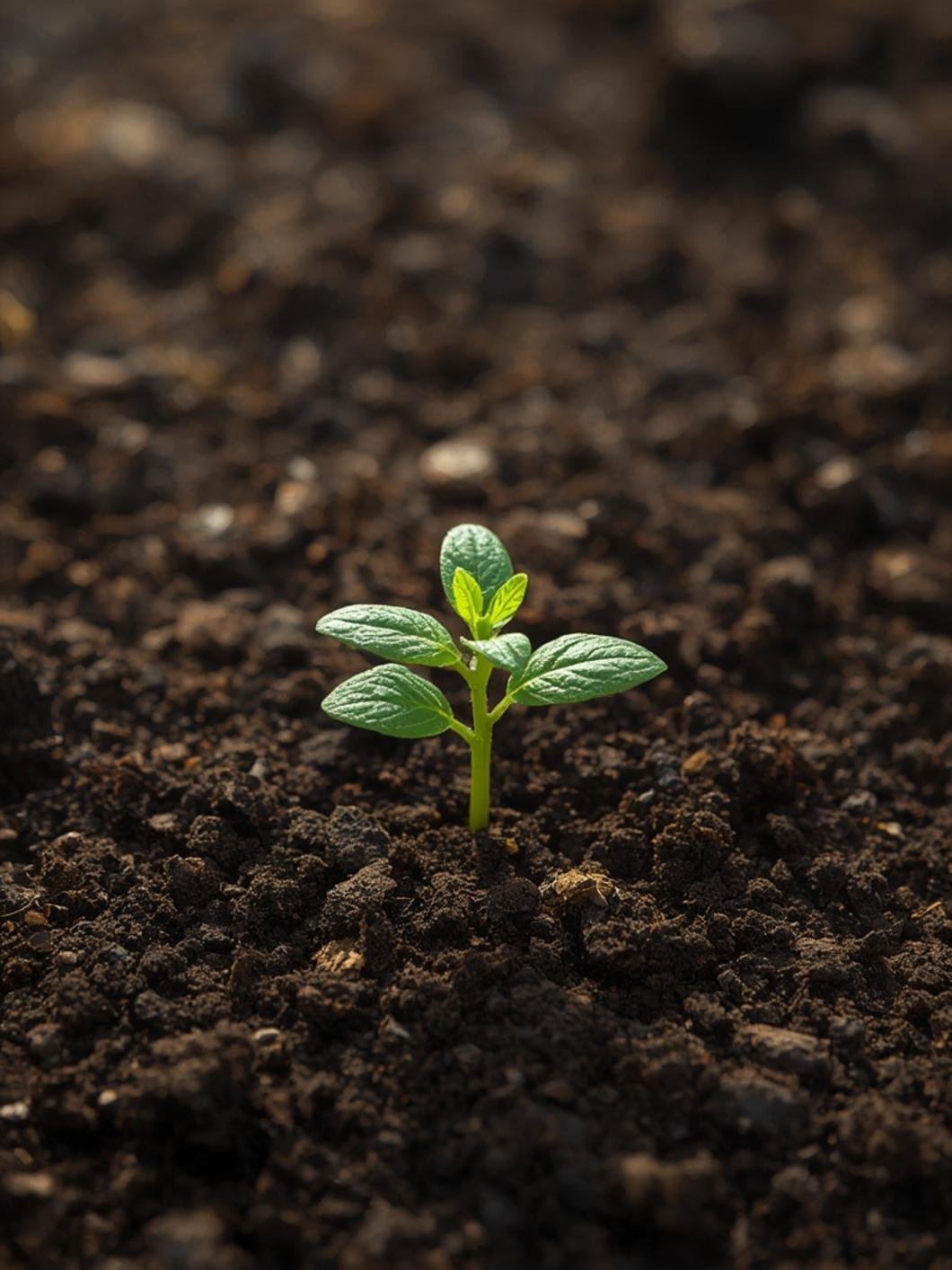
Argan trees require significant patience, with a growth timeline spanning years rather than months:
- Seed preparation: 2-3 weeks for scarification and pre-soaking
- Germination period: 3-8 weeks (highly variable)
- Seedling stage: 6-12 months
- Young tree establishment: 2-3 years
- First flowering: 5-7 years
- Fruit production: 7-8 years minimum
This extended timeline exceeds most home gardening projects, but the reward of potentially harvesting your own argan nuts—the source of the coveted oil—makes it worthwhile for dedicated enthusiasts.
Step-by-Step Instructions
1. Prepare the seeds: Scarify argan seeds by gently filing the outer coating, then soak in warm water for 48 hours, changing water daily.
2. Plant the seeds: Use small pots with well-draining soil mix, plant seeds 1 inch deep, and maintain soil temperature between 70-80°F (21-27°C).
3. Create germination conditions: Cover with plastic to create humidity and place in bright, indirect light. Mist regularly to maintain moisture.
4. Monitor for sprouting: This can take 3-8 weeks. Once sprouted, remove the humidity cover gradually.
5. Transplant seedlings: When seedlings reach 4-6 inches with several true leaves, move to larger pots with the specialized soil mix mentioned earlier.
6. Establish care routine: Argan seedlings need bright light, occasional deep watering (allowing soil to dry between), and protection from cold temperatures. The argan olie of morocco production starts with proper care at this stage, as healthier trees produce better quality fruit and oil.
7. Transition to outdoor growing: In suitable climates (USDA zones 9-11), gradually acclimate plants to outdoor conditions over 2 weeks before permanent placement.
Nutritional Benefits / Advantages
The argan oil Morocco benefits are extensive, making it worth the effort to grow:
- Exceptionally high in vitamin E and essential fatty acids
- Contains powerful antioxidants that combat free radicals
- Supports sustainable agriculture by preserving these important trees
- Offers potential income source through oil production
- Creates habitat for beneficial insects and birds
- Acts as excellent drought-resistant landscaping in appropriate climates
Tips, Alternative Methods, or Gardening Advice
- Container growth strategy: For colder climates, keep trees in large containers that can be moved indoors during winter.
- Greenhouse cultivation: Provides ideal conditions for faster growth and better protection.
- Grafting possibility: Advanced gardeners might try grafting onto related species for faster production.
- Bonsai approach: With careful pruning, argan trees can be maintained as ornamental specimens in smaller spaces.
- Community growing: Consider sharing the project with other gardening enthusiasts to divide care responsibilities.
Common Mistakes to Avoid
- Overwatering: This is the primary killer of argan seedlings. Allow soil to dry completely between waterings.
- Insufficient light: Many growers underestimate the high light requirements of these desert natives.
- Cold exposure: Even brief exposure to temperatures below 40°F (4°C) can damage or kill young trees.
- Impatience with germination: Don’t discard seemingly inactive seeds too quickly; they can take several weeks to sprout.
- Transplanting too early: Wait until seedlings are well-established before repotting to minimize shock.
Storage / Maintenance Tips
- Watering regimen: Once established, water deeply but infrequently, mimicking natural rainfall patterns in their native habitat.
- Pruning requirements: Minimal pruning needed; focus on removing dead branches and shaping for aesthetic purposes.
- Winter protection: In marginal zones, wrap trunks with burlap and mulch heavily around the base before cold weather.
- Fertilization schedule: Apply low-nitrogen, phosphorus-rich fertilizer once in spring and once in early summer.
- Pest management: Monitor for scale insects and mealybugs, treating promptly with neem oil or insecticidal soap if detected.
Conclusion
Growing argan trees at home represents a gardening challenge that combines patience with the reward of potentially producing your own argan olie of morocco. Though it requires years of dedication, the journey offers valuable lessons in sustainable agriculture and connection to one of nature’s most remarkable trees. The argan oil Morocco benefits make this long-term project worthwhile, whether you’re seeking beauty applications, culinary uses, or simply the satisfaction of growing this rare species. Ready to start your argan tree journey? Share your progress with our community, and don’t forget to check out our related posts on drought-resistant trees and specialty oil crops!
FAQs
How long before my argan tree produces fruit for oil extraction?
Most argan trees take 7-8 years minimum before producing fruit suitable for oil extraction, with full production typically beginning after 10-15 years.
Can argan trees survive winter in the United States?
Argan trees can only survive outdoors year-round in USDA zones 9-11. In colder regions, they must be grown in containers and brought indoors during winter.
How much oil can one argan tree produce?
A mature argan tree can produce 8-10 kg of fruit annually, yielding approximately 1 liter of oil after processing—a testament to why the oil is so precious.
Is it legal to grow argan trees outside of Morocco?
Yes, it’s legal to grow argan trees outside Morocco, though Morocco maintains strict regulations on exporting viable seeds, making acquisition challenging but possible through specialized nurseries.
Can I extract oil from home-grown argan nuts?
Yes, though it’s extremely labor-intensive, requiring specialized equipment to crack the hard shells and press the kernels. Most home growers partner with small-batch processors.