
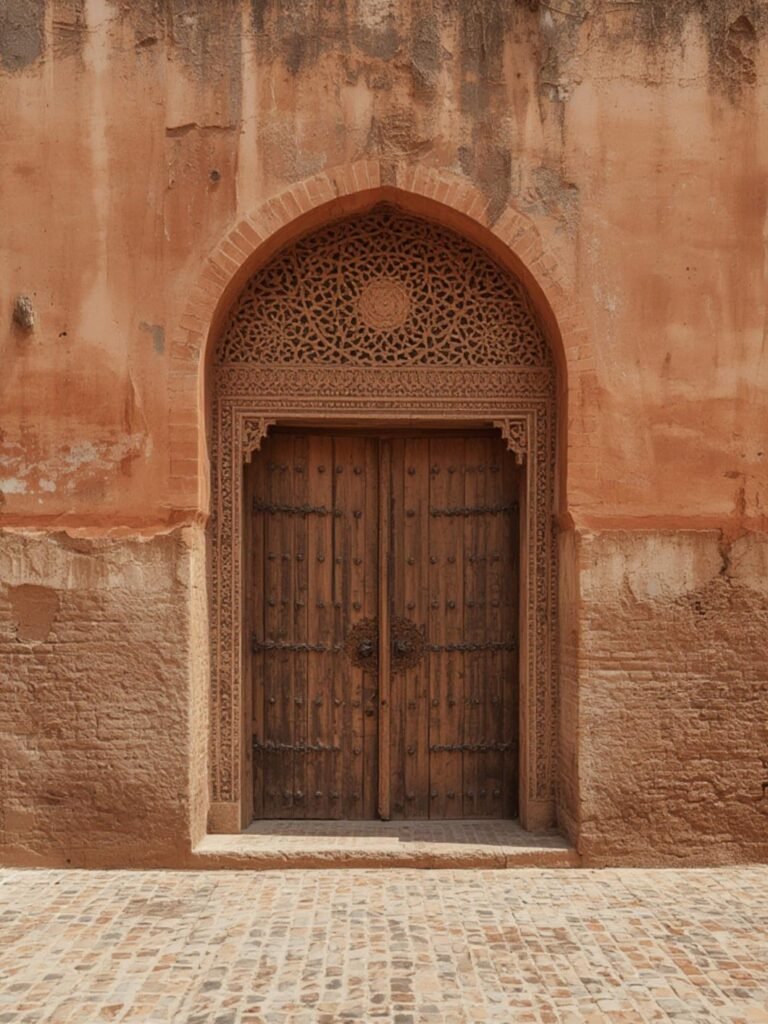
Introduction
Planning your dream vacation requires careful consideration of destinations that offer both cultural richness and unforgettable experiences. When it comes to North African adventures, morocco stands out as an exceptional choice for travelers seeking diverse landscapes, historical architecture, and vibrant traditions. The country’s magnetic appeal lies in its ability to transport visitors through time while offering modern comforts and world-class hospitality. Among the many captivating cities worth exploring, Marrakech tourism presents an ideal starting point for first-time visitors and seasoned travelers alike. This comprehensive guide will walk you through everything you need to know about planning an unforgettable Moroccan journey, from navigating the medinas to understanding local customs that will enhance your travel experience.
Step-by-Step Instructions
Step 1: Research Your Destinations
Begin by identifying which regions of morocco align with your interests. The country offers diverse experiences from imperial cities to Sahara adventures and coastal retreats. Create a list of must-see locations and estimate how many days you’ll need in each area.
Step 2: Determine Your Travel Dates
Consider Morocco’s climate zones when planning your visit. Spring (March-May) and autumn (September-November) offer pleasant temperatures nationwide. Summer works well for coastal areas, while winter is perfect for exploring southern regions without extreme heat.
Step 3: Book Your Accommodations
Research accommodation options ranging from luxury riads to budget-friendly hostels. For those interested in Marrakech tourism, booking a traditional riad within the medina provides an authentic cultural experience with convenient access to major attractions.
Step 4: Plan Your Transportation
Decide whether you’ll use trains, buses, private transfers, or rental cars. Morocco’s rail network connects major cities efficiently, while domestic flights save time for longer distances. Book transportation between cities in advance during peak seasons.
Step 5: Prepare Essential Documents
Ensure your passport has at least six months validity. Check visa requirements for your nationality—many countries enjoy visa-free entry for up to 90 days. Purchase comprehensive travel insurance covering medical emergencies and trip cancellations.
Step 6: Learn Basic Phrases
Familiarize yourself with common Arabic and French phrases. While many Moroccans in tourist areas speak English, making an effort to communicate in local languages demonstrates respect and often leads to warmer interactions.
Tips
Pack Appropriate Clothing: Bring modest attire that covers shoulders and knees, especially when visiting religious sites. Lightweight, breathable fabrics work best for warm days, while layers accommodate cooler evenings.
Currency and Payments: Exchange money at official bureaus or withdraw dirhams from ATMs. While cards are accepted in hotels and upscale restaurants, cash remains essential for souks, taxis, and small establishments.
Bargaining Etiquette: Negotiating prices in markets is expected and part of the cultural experience. Start at roughly 40-50% of the initial asking price and work toward a mutually agreeable amount with a friendly attitude.
Stay Hydrated: Morocco’s climate can be dehydrating, particularly in summer months. Carry bottled water and avoid tap water unless confirmed safe by your accommodation.
Hire Licensed Guides: For historical sites and complex medinas, official guides provide valuable context and help navigate efficiently while sharing fascinating stories about local heritage.
Alternative Methods
Group Tours vs. Independent Travel: Organized tours offer convenience and expert knowledge without planning stress, ideal for time-limited travelers. Independent exploration provides flexibility and authentic local encounters suited for adventurous spirits.
Luxury vs. Budget Travel: High-end experiences include private desert camps, five-star riads, and chauffeured services. Budget-conscious travelers can enjoy Morocco’s beauty through public transportation, local guesthouses, and street food without sacrificing quality experiences.
Seasonal Variations: Off-season travel (July-August in interior regions, December-February in mountains) offers lower prices and fewer crowds but may involve weather considerations. Peak season guarantees optimal conditions with higher costs and more tourists.
Conclusion
Successfully planning your journey to morocco requires thoughtful preparation, cultural awareness, and flexibility to embrace unexpected adventures. By following these structured steps and incorporating the practical tips provided, you’ll create an itinerary that balances must-see attractions with spontaneous discoveries. Whether you’re captivated by the red city’s charm through Marrakech tourism or venturing into the Atlas Mountains, Morocco rewards prepared travelers with memories that last a lifetime. Remember that the most meaningful experiences often happen when you step outside your comfort zone, engage respectfully with locals, and remain open to the country’s enchanting surprises. Start planning today, and soon you’ll find yourself immersed in one of the world’s most captivating destinations.