
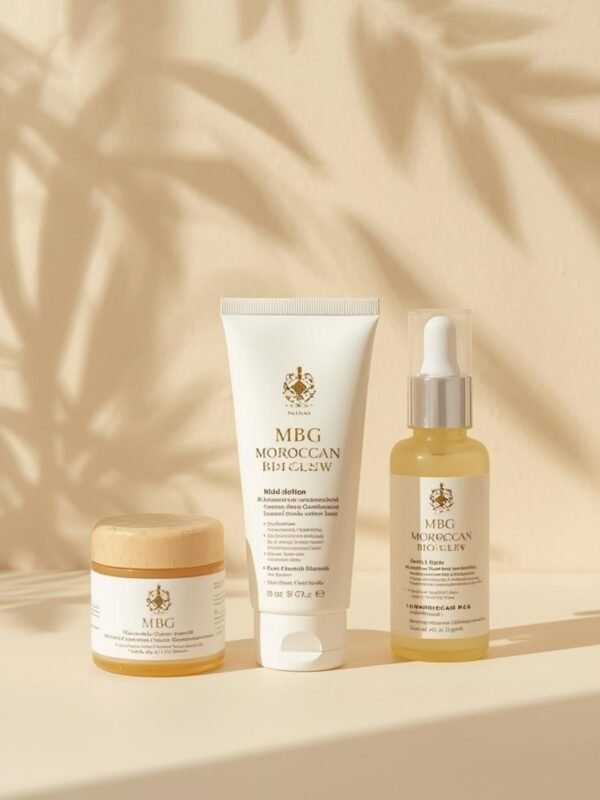
How to Grow Your Own Organic Baby Care Garden: The Complete Home Growing Guide
Introduction
Have you ever wondered what goes into the skincare products you use on your precious little one? In today’s modern world, more parents are discovering the incredible value of cultivating natural baby products right in their own homes. Growing your own organic baby skincare ingredients isn’t just a trendy practice—it’s a meaningful way to ensure complete transparency about what touches your baby’s delicate skin.
The beauty of homegrown baby care goes far beyond knowing your ingredients. When you cultivate your own natural baby products, you eliminate harmful pesticides, synthetic chemicals, and unwanted additives that could irritate sensitive baby skin. Parents who invest time in growing organic baby skincare solutions report not only healthier-looking skin on their infants but also tremendous peace of mind. This comprehensive guide walks you through every step of creating your personal botanical apothecary, transforming your garden into a sanctuary of purity and wellness for your family.
Materials & Supplies
Before you begin your organic baby care garden journey, gather these essential materials:
Seeds and Plant Starters:
– Chamomile seeds (calming and soothing)
– Calendula seeds (gentle and healing)
– Lavender seeds (aromatic and skin-friendly)
– Aloe vera pups or cuttings (moisture-rich and protective)
Soil and Growing Medium:
– Organic potting soil (pesticide-free and nutrient-rich)
– Coconut coir (sustainable alternative to peat)
– Perlite or vermiculite (for drainage improvement)
– Compost (homemade or certified organic)
Containers and Tools:
– Terracotta or biodegradable pots (6-8 inch diameter)
– Seed trays with drainage holes
– Garden spade and hand trowel
– Pruning shears and scissors
– Watering can with fine mist nozzle
– Plant markers and labels
Fertilizers and Supplements:
– Organic fertilizer (fish emulsion or seaweed extract)
– Neem oil (for natural pest control)
– Sulfur powder (optional, for pH adjustment)
Optional but Helpful Items:
– Grow lights (for indoor cultivation)
– Plant support stakes
– Humidity dome or clear plastic covering
– Natural insecticidal soap
Timing / Growing Schedule
Preparation Phase (Week 1-2):
Begin your preparation 2-3 weeks before your area’s last frost date. Set up your growing space, organize materials, and sterilize containers. This foundational work ensures optimal conditions for seed germination.
Germination Period (Week 3-6):
Most baby-care botanicals germinate within 7-14 days under proper conditions. Chamomile and calendula typically sprout within 10 days, while lavender may take 2-3 weeks. Keep soil consistently moist but not waterlogged during this critical phase.
Growth and Development (Week 7-16):
Seedlings develop their first true leaves around week 4-5. This 8-12 week period focuses on strengthening root systems and establishing sturdy stems. Gradually increase light exposure if using artificial lighting.
Maturation and Harvest (Week 17 onwards):
Most plants reach harvestable maturity between 4-6 months. Chamomile flowers bloom 6-8 weeks after transplanting outdoors. Lavender requires 6-8 weeks to produce blooms suitable for extraction. Plan accordingly based on your climate zone and specific plant varieties.
Step-by-Step Instructions
Step 1: Prepare Your Growing Environment
Select a location receiving 6-8 hours of sunlight daily, or use grow lights positioned 6 inches above seedlings. Maintain temperatures between 65-75°F for optimal growth. Ensure good air circulation to prevent fungal issues. When cultivating natural baby products, proper environmental conditions are non-negotiable.
Step 2: Start Seeds Indoors
Fill seed trays with moistened organic potting soil. Plant seeds according to packet depths (typically 1/8 to 1/4 inch). Cover trays with humidity domes and keep soil temperature around 70°F. Check moisture daily without disturbing seeds.
Step 3: Manage Moisture Carefully
Water from below using a tray system when possible, preventing damping-off disease. The soil should feel like a wrung-out sponge—never soggy. Mist seedlings with a fine spray bottle only when surface soil appears dry. Proper moisture management is crucial for developing organic baby skincare plants.
Step 4: Provide Adequate Light
Once seedlings emerge, remove humidity domes and provide 14-16 hours of light daily. Seedlings grown under grow lights should be positioned close enough to prevent leggy growth but far enough to avoid heat stress. Rotate trays every 2-3 days for even development.
Step 5: Begin Hardening Off
Two weeks before transplanting outdoors, gradually expose seedlings to outdoor conditions. Start with 1-2 hours of filtered sunlight, increasing duration daily. This acclimatization process prevents transplant shock and strengthens stems.
Step 6: Transplant to Garden or Larger Containers
When seedlings develop their second set of true leaves, transplant to individual pots or directly into garden beds. Bury stems slightly deeper than their original depth to encourage robust root development. Water thoroughly after transplanting and monitor closely for the first week. Creating this foundation ensures superior quality organic baby skincare ingredients.
Step 7: Establish Ongoing Care Routine
Water deeply but infrequently to encourage deep root development. Feed with organic fertilizer every 3-4 weeks during growing season. Remove dead leaves and spent flowers to promote continued growth and blooming.
Nutritional Benefits / Advantages
Growing your own botanical garden for baby care offers remarkable advantages:
Skin Health Benefits:
Chamomile provides natural anti-inflammatory properties, soothing irritated or reactive skin. Calendula offers gentle healing and protective compounds. Lavender delivers calming aromatics that support skin wellness and emotional comfort.
Chemical-Free Assurance:
Homegrown plants contain zero synthetic pesticides, herbicides, or chemical residues. You control every input from soil amendments to pest management solutions, ensuring absolute purity.
Environmental Impact:
Home gardening reduces packaging waste and transportation emissions. Growing multiple plants in one garden maximizes space efficiency and biodiversity benefits.
Cost Effectiveness:
Initial investments yield multiple harvests over several seasons, dramatically reducing long-term skincare expenses compared to commercial products.
Emotional and Developmental Benefits:
Involving children in gardening teaches responsibility and creates meaningful family experiences. Parents report increased confidence knowing exactly what nourishes their baby’s skin.
Tips, Alternative Methods, and Gardening Advice
Container Gardening Solutions:
For apartment dwellers or limited-space situations, grow baby-care botanicals in containers on balconies or windowsills. Group plants with similar water and light requirements together for simplified management. Use self-watering containers during summer months to maintain consistent moisture.
Indoor Growing Systems:
Establish an indoor nursery using shelving units and LED grow lights. This approach provides year-round growing capabilities regardless of outdoor climate. Maintain humidity levels between 50-70% using humidifiers or pebble trays filled with water.
Raised Bed Alternative:
Build raised beds specifically dedicated to baby-care botanicals. Elevated growing improves drainage and reduces soil-borne disease risks. Fill with premium organic soil mix and establish perimeter borders to prevent contamination.
Regional Adaptations:
In warm climates, grow perennial plants year-round. Cold-climate gardeners should start seeds indoors 8-10 weeks before last spring frost. Adjust planting schedules based on your USDA hardiness zone.
Common Mistakes to Avoid
Overwatering Issues:
This remains the most common cause of seedling and mature plant failure. Excessive moisture promotes root rot and fungal diseases. Solution: Allow soil to dry slightly between waterings and always use containers with drainage holes.
Inadequate Light Conditions:
Insufficient light creates weak, leggy seedlings prone to disease. Solution: Provide 14-16 hours of bright light daily using grow lights positioned 6 inches above plants.
Using Contaminated Soil:
Non-organic soil may contain pesticide residues harmful to babies. Solution: Always choose certified organic, pesticide-free potting soil and amendments.
Improper Temperature Management:
Fluctuating temperatures stress plants and slow growth. Solution: Maintain consistent 65-75°F conditions and avoid placing plants near heating vents or cold windows.
Ignoring Early Disease Signs:
Early pest or disease detection prevents major problems. Solution: Inspect plants weekly for yellowing leaves, unusual spots, or pest evidence. Address issues immediately using organic methods.
Fertilizer Overuse:
Excessive nutrients can concentrate in plants, creating harsh products. Solution: Follow package directions carefully and use organic, gentle formulations exclusively.
Storage / Maintenance Tips
Harvesting Best Practices:
Pick flowers in early morning after dew dries but before intense heat. This timing maximizes active compound concentrations. Use sharp, clean scissors to avoid damaging plant tissue.
Drying Techniques:
Air-dry harvested flowers in bundles hung upside down in warm, dark, well-ventilated areas. Alternatively, use a dehydrator set to 95-105°F to preserve delicate compounds. Dried flowers typically preserve for 6-12 months in airtight containers.
Storage Conditions:
Keep dried botanicals in glass jars with tight-fitting lids, stored in cool, dark locations away from direct sunlight. Proper storage preserves potency and prevents moisture absorption or mold development.
Seasonal Maintenance:
In fall, reduce watering frequency as plant growth naturally slows. Cut back perennial plants to ground level before winter dormancy. Mulch garden beds with 2-3 inches of organic material for temperature protection.
Regular Monitoring:
Check plants weekly for signs of stress, pests, or disease. Prune spent flowers and dead leaves throughout the growing season to encourage continued blooming and healthy development.
Conclusion
Growing your own natural baby products represents a transformative commitment to your family’s wellness and safety. From seed selection through harvest and storage, this comprehensive guide empowers you to create a thriving botanical garden dedicated to producing organic baby skincare ingredients of uncompromising quality. The combination of horticultural knowledge, environmental responsibility, and parental care creates something truly special—a garden that nurtures both your baby’s skin and your family’s values.
Beginning your homegrown natural baby products journey may feel overwhelming initially, but remember that countless parents worldwide successfully cultivate thriving botanical gardens for their families. Your dedication to providing pure, chemical-free organic baby skincare solutions demonstrates genuine love and commitment to your child’s health.
Ready to start your journey? Begin with one or two beginner-friendly plants like chamomile or calendula. Share your progress in the comments below—we’d love hearing about your botanical adventures! Explore our related posts on natural parenting, organic gardening, and sustainable family wellness practices.
FAQs
Q1: How quickly can I expect to harvest from seeds?
Most baby-care botanicals reach harvestable maturity within 4-6 months from seed. Chamomile flowers typically appear 6-8 weeks after transplanting outdoors. Patience during initial growing phases ensures superior final products.
Q2: Can I grow these plants indoors year-round?
Yes! With adequate LED grow lights (14-16 hours daily) and humidity control (50-70%), you can cultivate baby-care botanicals indoors continuously. This approach provides year-round harvests regardless of climate.
Q3: Are these plants safe for direct baby contact?
Absolutely, when grown organically without pesticides. However, always extract concentrated preparations (oils, infusions) properly and perform patch tests before applying to sensitive infant skin.
Q4: What’s the best fertilizer for organic baby-care plants?
Use gentle organic options like fish emulsion, seaweed extract, or worm castings. Avoid synthetic fertilizers that could leave chemical residues on harvested botanicals meant for baby use.
Q5: How do I prevent pests without chemicals?
Maintain strong plant health through proper watering and light. Use neem oil, insecticidal soap, or introduce beneficial insects like ladybugs. Regular inspection catches problems early before they escalate.