Growing Argan Plants: A Guide to Cultivating Morocco’s Beauty Secret
Have you ever wondered how to bring the exotic magic of Morocco’s legendary beauty traditions into your own home? Growing argan plants – the source of one of the world’s most coveted beauty oils – might seem challenging, but it’s a rewarding endeavor that connects you with ancient traditions. The natural moroccan beauty secrets tied to argan have captivated beauty enthusiasts worldwide, and today’s homegrown herbalists are increasingly interested in cultivating these precious plants. While traditionally found in Morocco’s arid regions, where Moroccan herbal beauty remedies have been refined over centuries, with proper care and attention, you can grow your own argan plant and potentially harvest its valuable nuts.
Materials & Supplies
To successfully grow an argan plant at home, you’ll need:
– Argan seeds or a young argan sapling (can be ordered from specialty nurseries)
– Well-draining potting mix with sand and perlite
– A large terracotta pot (at least 15 inches deep) with drainage holes
– Cactus or succulent fertilizer (low nitrogen)
– Spray bottle for misting
– Full-spectrum grow lights (if growing indoors in cooler climates)
– Small gardening trowel
– Watering can with narrow spout
– Heat mat (optional, for germination)
– Humidity dome or plastic wrap (for germination phase)
Timing / Growing Schedule
Argan plants require patience – this is a long-term commitment rather than a quick-growing herb. Seeds typically take 3-8 weeks to germinate, and young plants grow slowly for the first year. When grown outdoors in suitable climates, argan trees can take 5-7 years to mature enough to produce fruit. Indoor specimens may take longer and remain smaller, but with proper care can still thrive as ornamental plants. Plan to start seeds in early spring for best results, allowing them to establish before winter arrives.
Step-by-Step Instructions
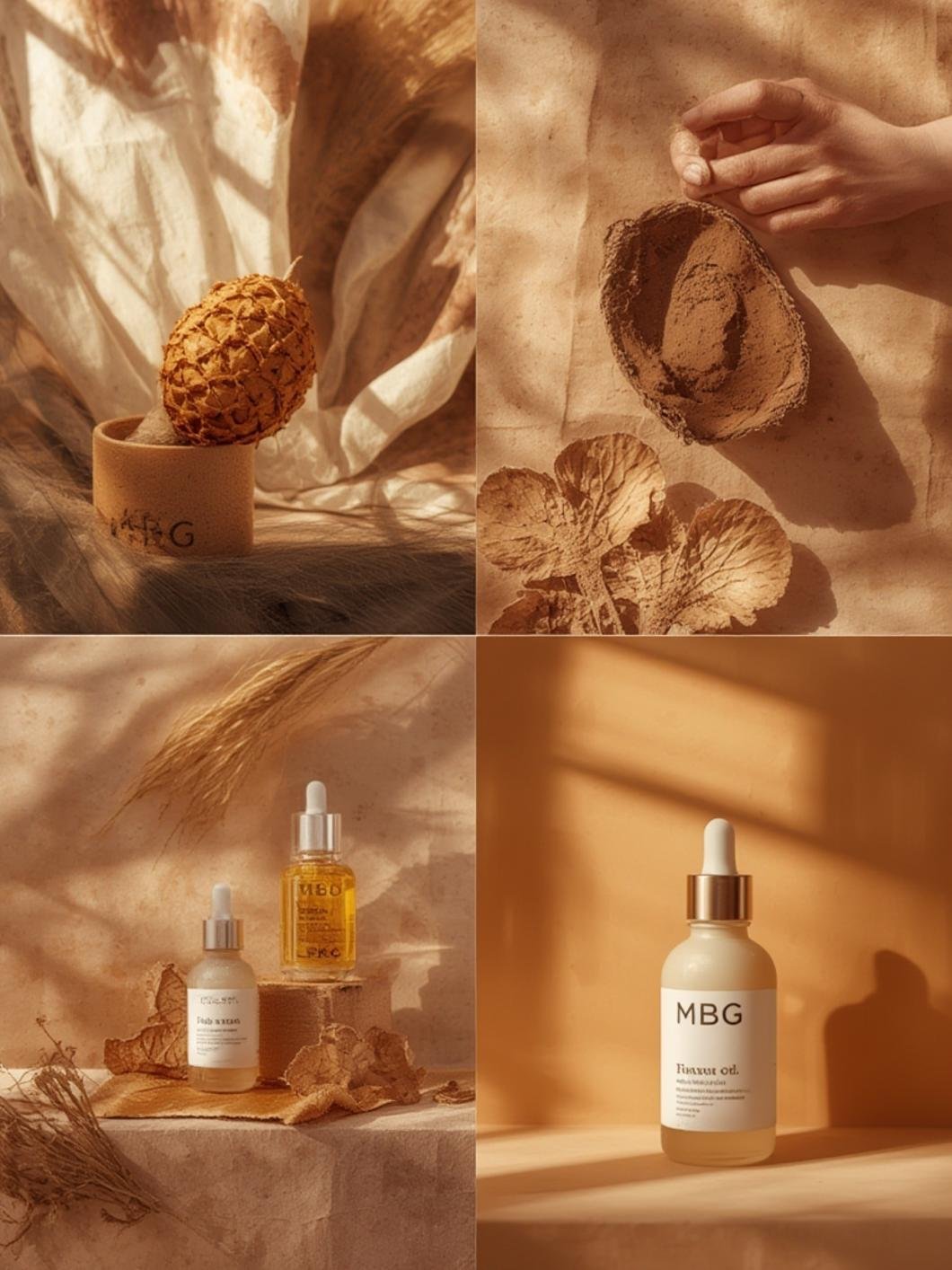
1. Prepare the seeds: If using seeds, soak them in warm water for 48 hours, changing the water every 12 hours. This softens the hard outer coating and improves germination rates.
2. Create the growing medium: Mix equal parts potting soil, coarse sand, and perlite to create a well-draining medium that mimics the argan’s native soil conditions.
3. Plant the seeds: Place seeds about 1 inch deep in your prepared soil mix. Keep the soil lightly moist but never soggy.
4. Maintain ideal conditions: Keep seeds at 75-85°F (24-29°C) and cover with a humidity dome or plastic wrap until germination. Following the natural moroccan beauty secrets of cultivation requires mimicking the warm, arid conditions of their native environment while providing sufficient moisture to establish growth.
5. Transition to regular care: Once seedlings emerge, remove the humidity cover and place in bright, indirect light. As they grow, gradually increase direct sunlight exposure.
6. Establish a watering routine: Water thoroughly when the top 2 inches of soil are dry. These plants prefer drought conditions to overwatering, similar to how traditional Moroccan herbal beauty remedies utilize plants adapted to arid environments.
Nutritional Benefits / Advantages
Argan plants produce nuts containing oil that’s extraordinarily rich in vitamin E, essential fatty acids, and antioxidants. While primarily valued for cosmetic and culinary purposes, growing your own argan plant provides the rare opportunity to access truly fresh argan products. Beyond the oil’s benefits, cultivating argan plants contributes to biodiversity conservation and connects you with a UNESCO-protected cultural heritage. The plant itself is a beautiful, drought-resistant specimen that can thrive with minimal water, making it environmentally friendly.
Tips, Alternative Methods, or Gardening Advice
For those in colder climates, argan plants can be grown in large containers and moved indoors during winter. Consider using a greenhouse or sunny, south-facing window for year-round cultivation. In warmer areas (USDA zones 9-10), argan trees can be planted directly in the garden in a sheltered location with excellent drainage. Try grafting techniques to speed up fruit production if you have access to mature specimens. Container-grown plants will need periodic root pruning and repotting every 2-3 years to maintain health.
Common Mistakes to Avoid
1. Overwatering: This is the primary killer of argan plants. Allow the soil to dry between waterings and reduce watering in winter.
2. Insufficient light: Argan plants need at least 6 hours of direct sunlight daily. Without adequate light, they become leggy and weak.
3. Using regular potting soil: Standard potting mixes retain too much moisture. Always use a well-draining cactus/succulent mix.
4. Cold exposure: Temperatures below 20°F (-6°C) can damage or kill argan plants. Protect them during cold snaps.
Storage / Maintenance Tips
Maintain argan plants by pruning lightly to shape during the dormant season. Apply fertilizer sparingly – once in spring and once in early summer using a low-nitrogen formula. Protect from high winds that can damage branches. If your plant produces nuts, harvest when the outer fruit turns yellow and falls from the tree. Store harvested nuts in a cool, dry place for 2-3 weeks before attempting to crack them open to extract the kernels for oil production.
Conclusion
Growing argan plants at home connects you directly with one of the world’s most treasured botanical resources. While it requires patience and specific conditions, the reward of cultivating your own source of natural moroccan beauty secrets is incomparable. The process itself becomes a journey into sustainable beauty practices and traditional cultivation methods. Whether you’re fascinated by Moroccan herbal beauty remedies or simply enjoy the challenge of growing exotic plants, argan cultivation offers a unique and rewarding experience. Start your argan growing journey today, and share your progress with our community of plant enthusiasts!
FAQs
How long does it take for an argan tree to produce nuts?
Argan trees typically take 5-7 years before they begin producing nuts when grown in optimal conditions. Container-grown specimens may take longer or produce smaller yields.
Can I grow argan plants indoors year-round?
Yes, argan plants can be grown indoors in bright, sunny locations. They’ll likely remain smaller than outdoor specimens but can thrive as houseplants with proper care.
How often should I water my argan plant?
Water thoroughly only when the top 2 inches of soil feel dry to the touch. This might mean watering once every 1-2 weeks in summer and less frequently in winter.
Is it possible to extract oil from homegrown argan nuts?
Yes, though it’s labor-intensive. Traditional extraction requires drying the nuts, cracking them to remove kernels, grinding the kernels, mixing with water, and pressing to extract the oil.
What pests or diseases affect argan plants?
Argan plants are relatively resistant to pests and diseases. Watch for scale insects and mealybugs in indoor environments, and treat with insecticidal soap or neem oil if needed.