How to Grow Your Own Argan Tree: A Complete Guide
Have you ever wondered if you could grow the source of that luxurious best argan oil face moisturizer right in your own backyard? The argan tree, native to Morocco, produces kernels that yield the liquid gold many of us cherish in our skincare routines. Growing your own argan tree at home can be a rewarding experience, providing you with a sustainable source for making your own argan oil facial moisturizer while adding an exotic touch to your garden. Though challenging, especially outside its native habitat, with proper care and patience, you can nurture this remarkable tree at home.
Materials & Supplies
To successfully grow an argan tree, you’ll need:
– Argan seeds or a young sapling: These can be difficult to source; specialty nurseries or online exotic plant suppliers are your best bet
– Well-draining potting mix: Combine equal parts sand, perlite, and regular potting soil
– Large container: At least 24 inches in diameter with drainage holes
– Small greenhouse or humidity dome: For germination stage
– Grow lights: If indoor light is insufficient
– Watering can: For controlled watering
– Organic fertilizer: Low-nitrogen, phosphorus-rich formula
– Pruning shears: For maintenance
– Plant thermometer: To monitor temperature
– pH testing kit: Argan trees prefer slightly alkaline soil (pH 7.5-8.5)
Timing / Growing Schedule
Growing argan trees requires exceptional patience. Here’s what to expect:
– Germination: 2-6 weeks (with proper scarification)
– Seedling stage: 6-12 months
– Juvenile phase: 3-5 years before the tree matures enough for transplanting outdoors (in suitable climates)
– Fruit production: 5-7 years minimum, often longer in non-native environments
– Harvest potential: Once established, trees can produce fruit for over 200 years
This timeline far exceeds most garden plants, requiring a long-term commitment similar to olive trees.
Step-by-Step Instructions
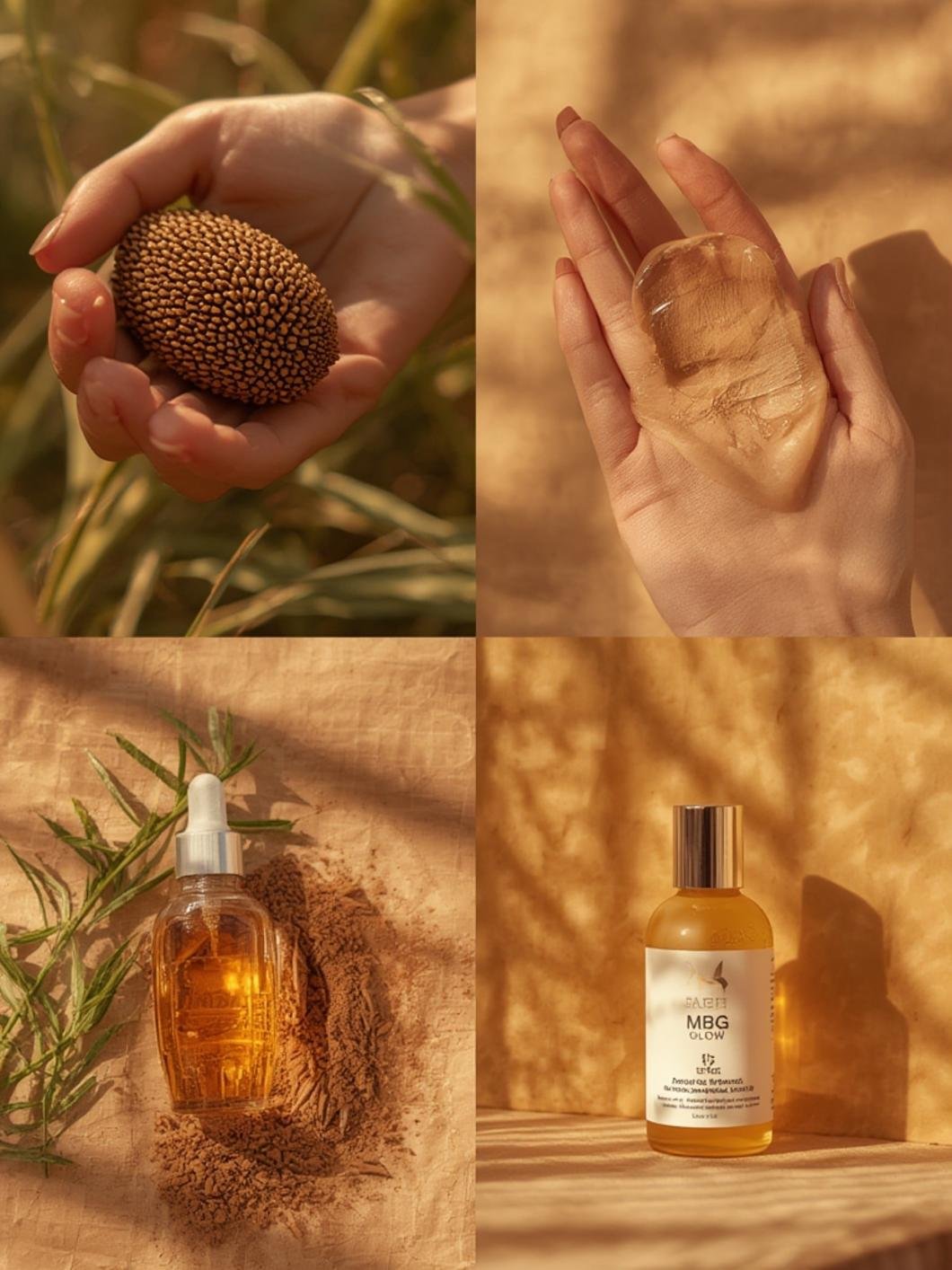
1. Seed preparation: Scarify argan seeds by gently filing the outer coating or soaking in warm water for 24-48 hours to improve germination rates.
2. Germination: Plant seeds 1 inch deep in moist, well-draining soil mix. Cover with a humidity dome or plastic wrap and maintain temperatures between 70-85°F (21-29°C).
3. Seedling care: Once sprouted, remove the cover and place in bright, indirect light. Keep soil consistently moist but not waterlogged.
4. Repotting: When seedlings reach 4-6 inches tall, transplant to a larger container with the specialized soil mix mentioned earlier.
5. Ongoing care: Water deeply when the top 2 inches of soil dry out. Argan trees that may one day produce oil for your best argan oil face moisturizer need bright light—at least 6 hours of direct sunlight daily.
6. Climate considerations: In regions with temperatures below 65°F (18°C), bring your tree indoors during cold months. These trees cannot tolerate frost.
Nutritional Benefits / Advantages
Argan trees offer multiple benefits:
– Sustainable beauty resource: Creates your own supply of argan oil for skincare
– Air purification: Like most trees, they improve air quality
– Drought tolerance: Once established, require minimal water
– Longevity: Can live for centuries with proper care
– Ornamental value: Unique appearance adds exotic interest to gardens or indoor spaces
– Biodiversity support: Flowers attract beneficial pollinators
Tips, Alternative Methods, or Gardening Advice
– Indoor growing: Use a large pot with wheels to move your tree to optimal light conditions throughout seasons
– Rooftop cultivation: Works well in urban environments with full sun exposure
– Greenhouse option: Provides ideal growing conditions in colder climates
– Container management: Use light-colored containers to prevent root overheating
– Simulate native conditions: Place near a south-facing wall that releases heat at night
– Grafting possibility: Consider grafting onto related rootstock to speed production time
Common Mistakes to Avoid
1. Overwatering: Argan trees are drought-tolerant; excessive moisture leads to root rot
2. Insufficient light: Trees receiving inadequate sunlight will grow slowly and rarely produce fruit
3. Cold exposure: Even brief frost can severely damage or kill your tree
4. Impatience: Most growers give up before trees reach maturity
5. Poor drainage: Standing water quickly damages argan roots
Storage / Maintenance Tips
– Pruning: Shape young trees annually in early spring to maintain an attractive form
– Fertilization: Apply low-nitrogen fertilizer once in spring and once in mid-summer
– Pest management: Inspect regularly for spider mites and scale insects, especially when grown indoors
– Winter care: Reduce watering by half during dormant winter months
– Repotting: Transfer to a slightly larger container every 2-3 years until reaching your final pot size
Conclusion
Growing an argan tree at home is a challenging yet rewarding journey that connects you directly to one of nature’s most precious skincare ingredients. While it requires patience and careful attention to specific growing requirements, successfully cultivating this rare tree gives you a living source of the argan oil facial moisturizer prized worldwide. Start with realistic expectations, follow our guide closely, and you might one day harvest your own argan fruits to process into this liquid gold. We’d love to hear about your experiences growing exotic medicinal plants—share your journey in the comments below!
FAQs
How long until my argan tree produces fruit?
Most argan trees take 5-7 years minimum to produce fruit in optimal conditions, and often longer when grown outside their native habitat.
Can argan trees survive in cold climates?
Argan trees cannot tolerate frost and require temperatures consistently above 65°F (18°C). In colder regions, they must be grown as indoor or greenhouse plants.
How much oil can one argan tree produce?
A mature argan tree can produce 8-10 kg of fruit annually, yielding approximately 1 liter of oil after processing, though home-grown trees typically produce less.
Can I grow an argan tree from cuttings instead of seeds?
While possible, propagation from cuttings has a low success rate. Seeds offer better results for home growers, though they require more patience.
How do I extract oil from argan fruits?
Traditional extraction involves cracking nuts, roasting kernels, grinding them into paste, and pressing to extract oil—a labor-intensive process requiring specialized equipment.