Long before “clean beauty” became a marketing line, Moroccan women were already doing it — in the hammam, with a handful of ingredients pulled from the earth, the argan groves and the spice souk. No synthetics, no filler. Just olives, clay, oil, flowers and ash.
This is the complete guide to those ingredients: what each one actually is, what it does for skin and hair, and how to use it the way it’s used in Morocco. Every ingredient below links to a full deep-dive guide, and to the authentic version in our shop — sourced directly from the Moroccan artisans and cooperatives who make them.
The heart of it all: the hammam ritual
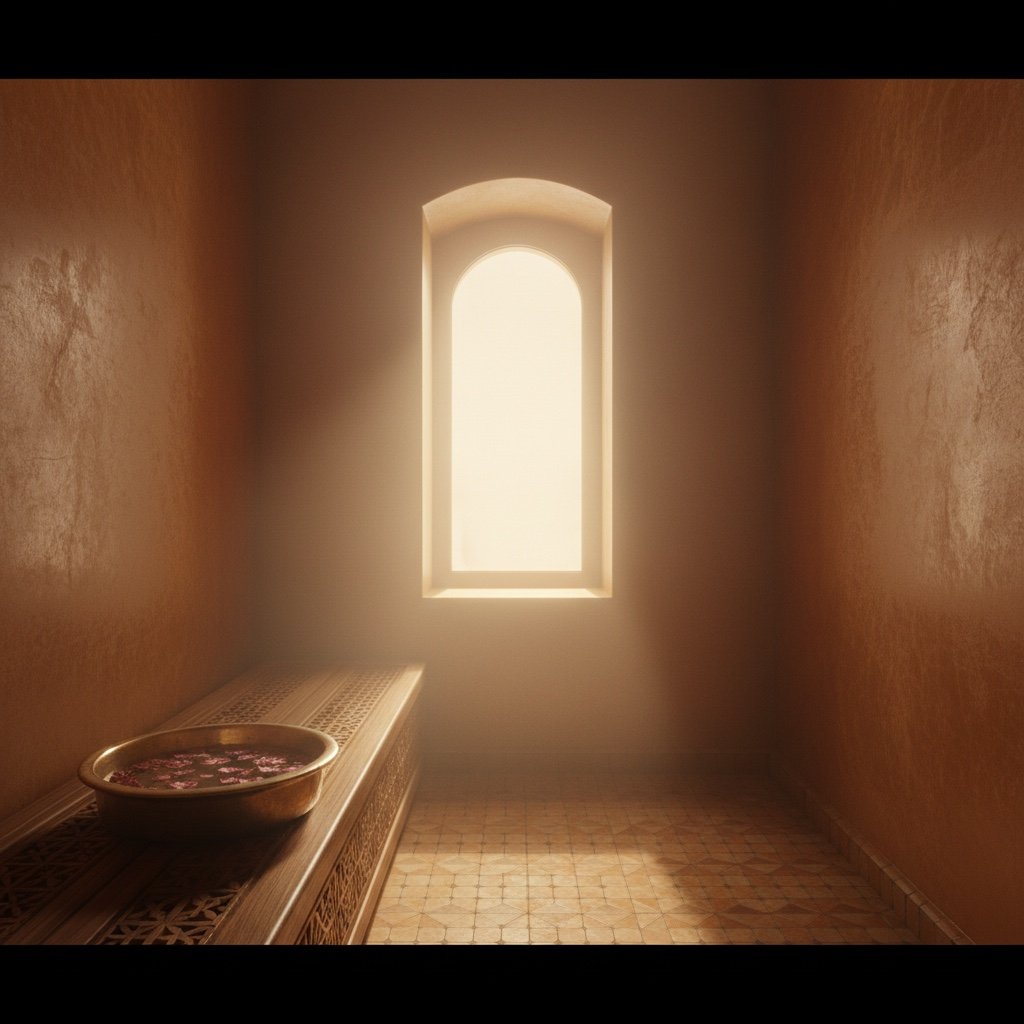
Almost every ingredient here belongs to one weekly ritual — the hammam, Morocco’s steam bathhouse. The sequence is simple and centuries old: steam to open the pores, black soap to soften, a kessa glove to exfoliate, clay to draw out impurities, and oil to seal everything in. If you read one thing first, read The Moroccan Hammam Ritual: A Complete Guide — the rest of this page is the ingredient shelf that ritual draws from.
Argan oil — “liquid gold”
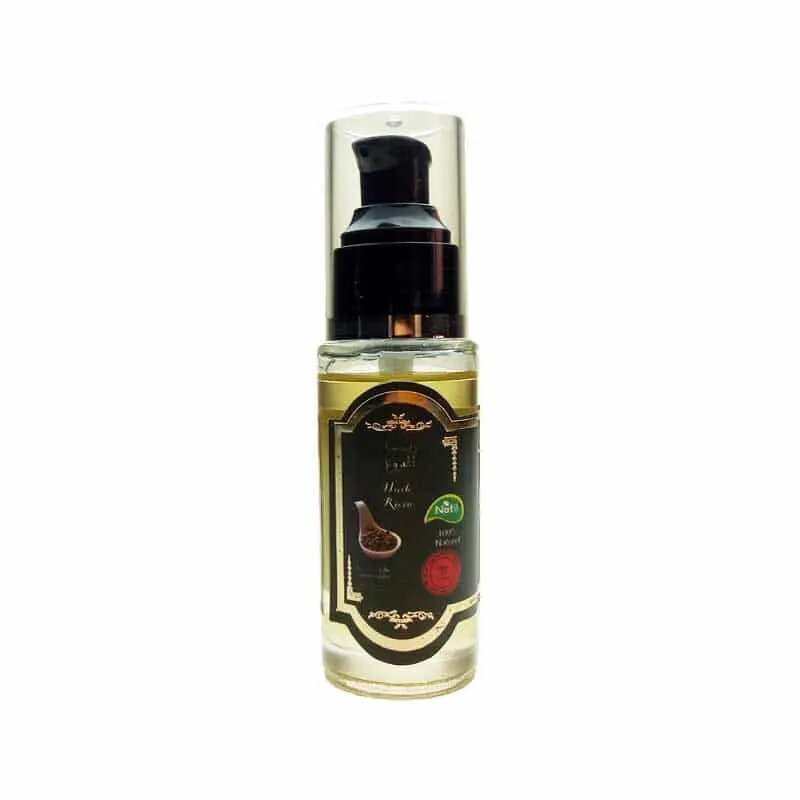
Pressed from the kernels of the argan tree that grows only in southwestern Morocco, argan oil is rich in vitamin E and essential fatty acids. It absorbs without greasiness, which is why it works on both skin and hair. On skin it restores the moisture barrier and softens fine lines; on hair it tames frizz and adds shine to the mid-lengths and ends.
Read the full guides: Argan Oil for Skin and Argan Oil for Hair. In the shop, argan anchors our Atlas Gold Ritual Oil.
Beldi soap — Morocco’s black olive soap
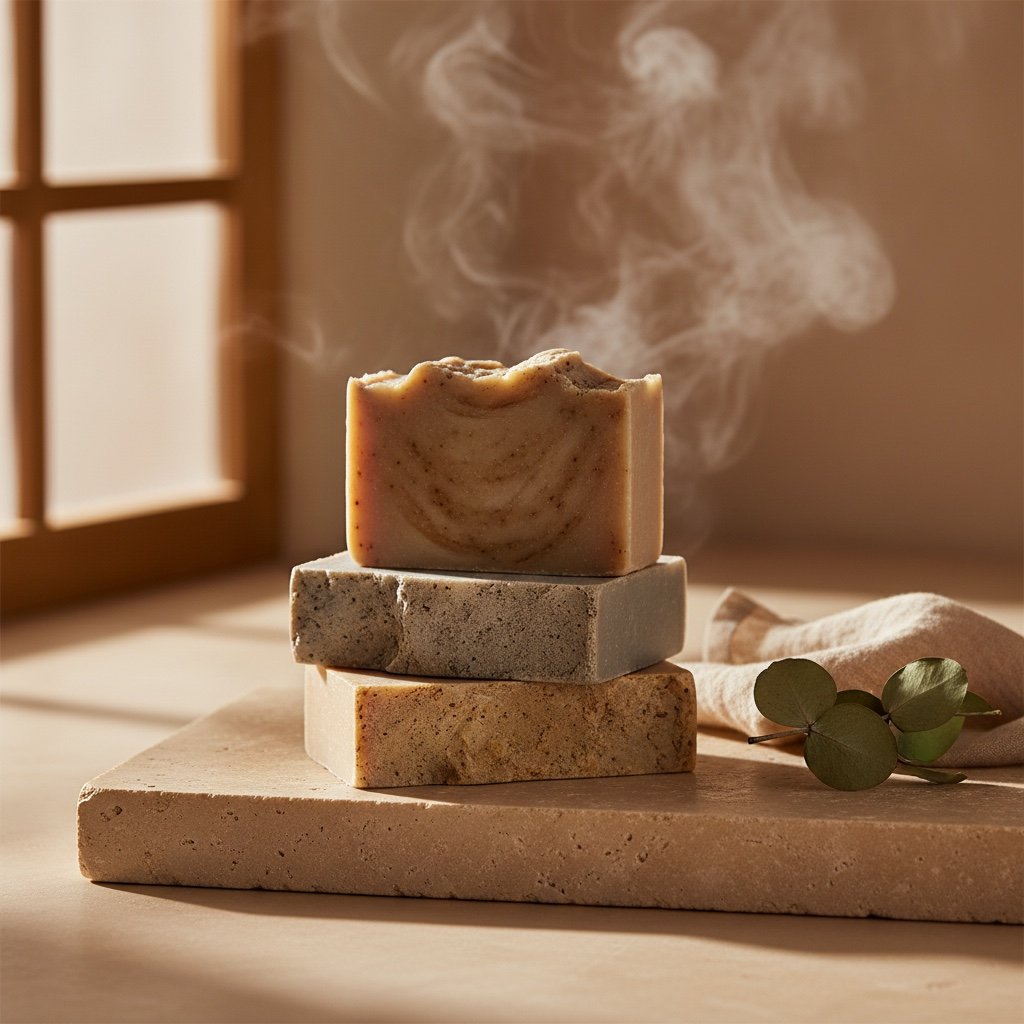
Beldi (meaning “traditional” or “of the country”) is a soft, black paste soap made from macerated olives and olive oil. It’s the first step in the hammam: massaged over damp skin, left to sit in the steam, then scrubbed off with a kessa glove to slough away dead skin and leave the surface impossibly smooth.
Full guide: What Is Beldi Soap? Shop the authentic version: Black Beldi Soap.
Rhassoul clay — the mineral mask
Mined from the Atlas Mountains, rhassoul (or ghassoul) is a mineral-rich clay that has been used for washing hair and skin for over a thousand years. Mixed with water into a mud, it lifts excess oil and impurities without stripping — gentle enough for a scalp treatment, effective enough for a full-body mask.
Full guide: Rhassoul Clay for Hair. Shop it: Moroccan Rhassoul Mask & Scrub.
Nila — the indigo beauty secret
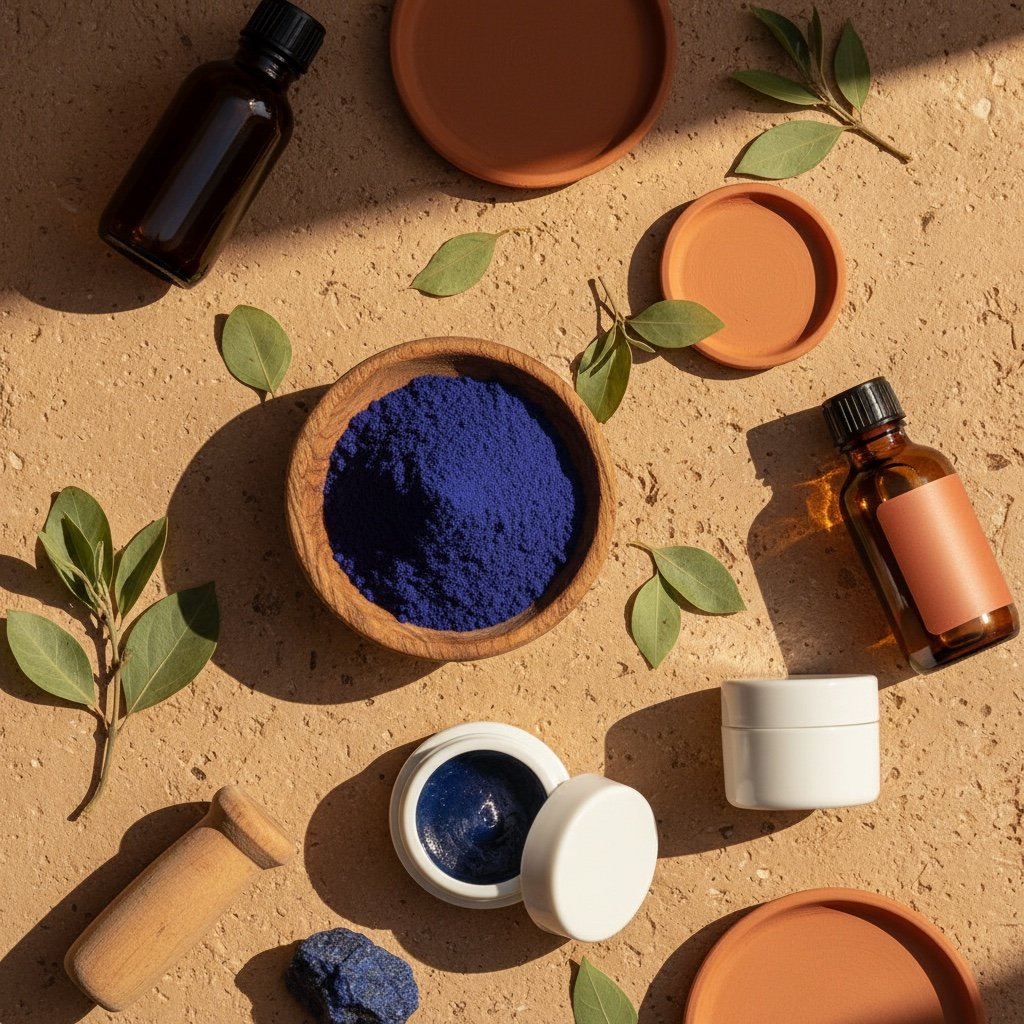
Nila is a natural indigo pigment, an Amazigh (Berber) beauty secret used to brighten and even the skin tone. Applied as a mask, it leaves a fresh, luminous finish — the reason it has been passed down through generations of Moroccan women.
Full guide: Nila: The Ancient Indigo Beauty Secret. Shop it: Sahara Nila Mask and Nila Sabounia Soap.
Aker Fassi — Morocco’s natural tint
Aker Fassi is a traditional natural colorant made from dried poppy petals and pomegranate, historically used as a lip and cheek tint. It’s Morocco’s original multi-use makeup — plant-based, warm-toned, and completely natural.
Full guide: What is Aker Fassi? Shop it: Aker Fassi Sabounia.
Sidr & Tebrima — the herbal finishers
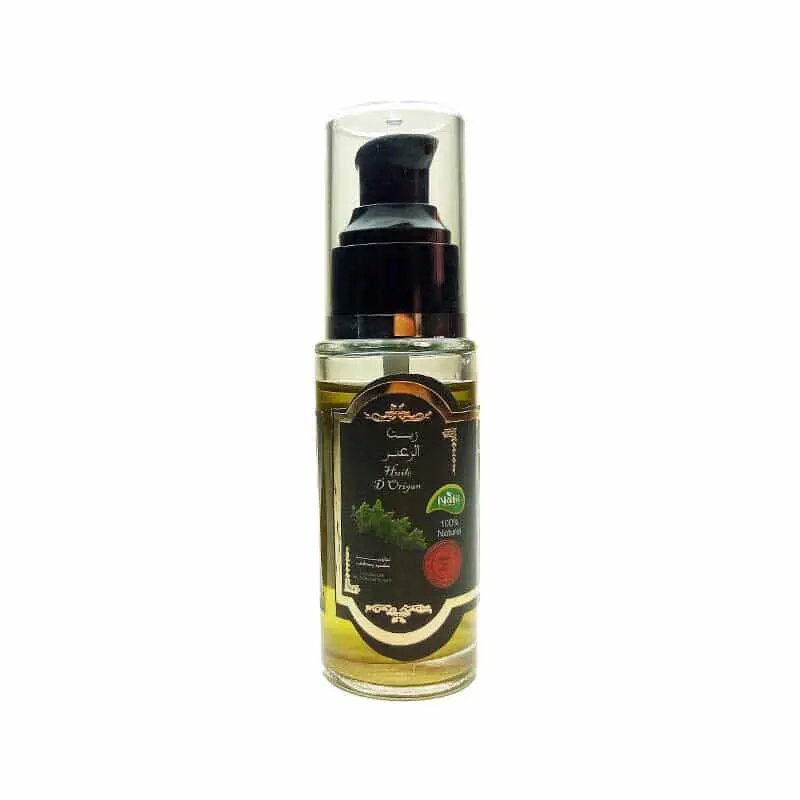
Two lesser-known but beloved staples: sidr (powdered lote-tree leaf) is a gentle natural cleanser for body and hair that conditions as it washes, while tebrima is a traditional Moroccan herbal blend used as a nourishing body mask. Both round out the ritual for anyone who wants to go beyond the basics.
Shop them: Sidr Powder for Body & Hair and Tebrima Powder.
How to put it together
A complete weekly ritual at home looks like this:
- Steam or warm shower to open the pores.
- Beldi soap, left on for 5–10 minutes, then scrubbed off with a kessa glove.
- Rhassoul clay mask on body and/or hair.
- Nila or aker fassi for tone and glow (optional).
- Argan oil to seal in moisture while skin is still damp.
Do it once a week and the difference in skin texture is obvious within a month.
Frequently asked questions
Are Moroccan beauty ingredients suitable for sensitive skin?
Generally yes — these are single-ingredient, fragrance-optional products with no synthetic actives. Beldi soap and rhassoul are especially well tolerated. As always, patch-test first.
What’s the difference between rhassoul and regular clay?
Rhassoul is mined only in Morocco and is higher in minerals like silica and magnesium than common cosmetic clays, so it cleanses without the tight, stripped feeling bentonite can leave.
Can I use argan oil on my face if I have oily skin?
Yes. Argan is non-comedogenic and helps balance oil production; use one or two drops on damp skin at night.
Ready to build your own ritual? Explore the full range of handmade, artisan-sourced Moroccan bodycare in the EARTD shop — every product on this page comes straight from the Moroccan cooperatives and makers who have perfected it over generations.