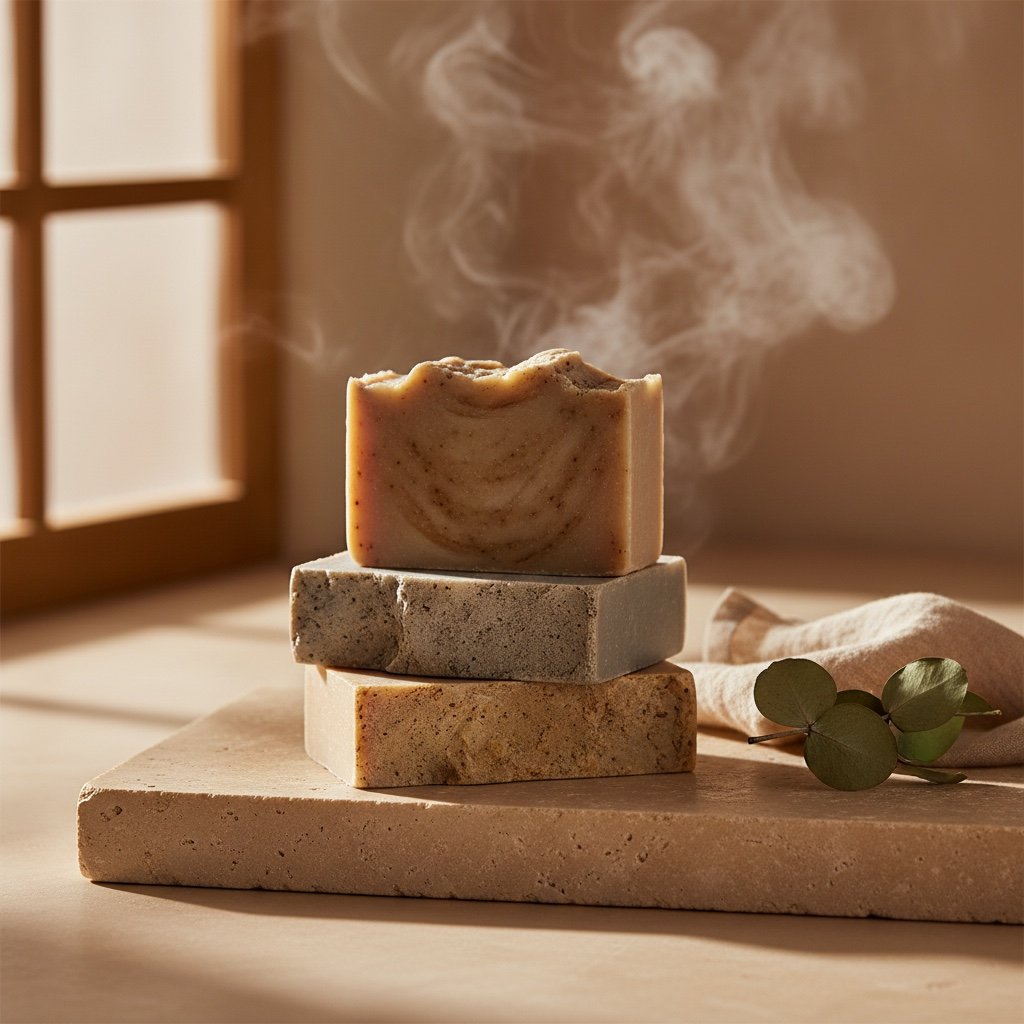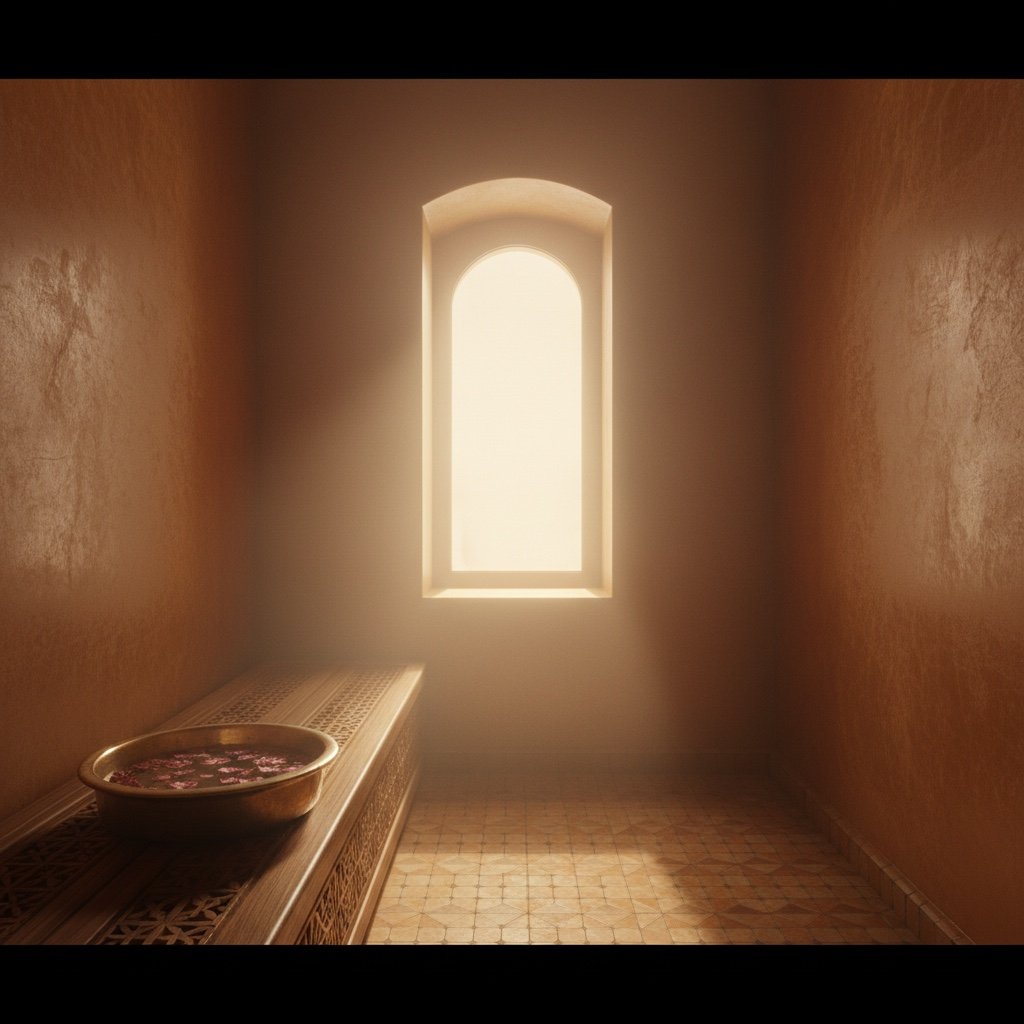
If you have ever stepped inside a Moroccan hammam, the first thing the kessala hands you is a small jar of dark, jelly-like paste. That is beldi soap — pronounced bell-dee, meaning “of the land” in Moroccan Arabic — and it is one of the oldest cleansing rituals on earth.
Unlike the hard bars you grew up with, beldi soap is soft, almost the texture of warm honey. It carries no perfume, no foam, no sting. What it does carry — pressed-olive oil, olive paste, potassium hydroxide, and centuries of practice — is what makes it the most-loved soap in North Africa.
What is beldi soap, exactly?
Beldi soap (also written savon noir in French, or saboun beldi in Arabic) is a traditional Moroccan soft soap made from crushed black olives and olive oil, saponified with potassium hydroxide. The result is a deep brown-to-black paste, rich in vitamin E, with the consistency of a thick balm.
It is the foundation of the Moroccan hammam ritual: applied to damp skin, left for several minutes to soften the top layer, then scrubbed off with a coarse glove called a kessa. The combination lifts dead skin, unblocks pores, and leaves skin remarkably soft.
How is it different from regular soap?
- Format: soft paste, not a bar.
- Base: 100% olive (sometimes blended with eucalyptus or argan), no animal fats, no synthetic surfactants.
- Function: pre-exfoliation softener — it doesn’t scrub on its own.
- Lather: minimal. It cleanses without stripping.
- pH: slightly alkaline (8-9), which is why you always rinse thoroughly.
How to use beldi soap (the proper hammam way)
- Heat the bathroom. Run a hot shower for 5 minutes to build steam. Steam is what opens the pores so beldi can do its work.
- Wet the skin. Don’t lather — beldi works on damp, warm skin.
- Apply a teaspoon. Massage into arms, legs, torso, and back. A little goes a long way.
- Wait 5-10 minutes. Let the soap soften the keratin layer. Sit on a stool, sip mint tea, do nothing.
- Scrub with a kessa glove. Use long, firm strokes — not circles. You will see grey rolls of dead skin lift off. This is normal and the goal.
- Rinse with warm water. Follow with a Rhassoul clay mask (optional) and finish with argan oil while skin is still damp.
What beldi soap is good for
Smooth, glowing skin (the obvious one)
Weekly use removes built-up dead cells that make skin look dull. After one proper hammam, your skin will reflect light differently — that is fresh stratum corneum, not magic.
Ingrown hairs and bumpy skin
Beldi followed by kessa exfoliation is the single best preventive treatment for ingrown hairs on legs, bikini line, and the back of arms (keratosis pilaris). Use 1-2 days before shaving or waxing.
Stretch marks and scars (over time)
Regular gentle exfoliation supports cell turnover, which softens new stretch marks and post-acne marks. Beldi will not erase them — nothing topical does — but it visibly fades them with months of weekly use.
Oily and acne-prone skin
The olive-oil base sounds wrong for oily skin, but beldi is one of the few cleansers that lifts sebum without breaking the moisture barrier. Use on the body, not the face directly, if you are acne-prone.
What to look for when buying beldi soap
- Ingredient list under 5 items. Authentic beldi is olive oil, olive paste (or olive pomace), potassium hydroxide, water. That is it. Eucalyptus essential oil is a traditional addition for clearing sinuses during the steam.
- Sourced in Morocco. Anything labelled “Moroccan style” made in Europe is a copy. The olives matter.
- Soft, dark, no fragrance. If it smells like perfume or rose, it has been adulterated.
- Sold by weight in glass jars. 200 g lasts roughly 2 months of weekly hammams for one person.
- Cooperative-sourced if possible. Women’s cooperatives in the Souss Valley press the olives and saponify by hand — fair-trade and traceable.
If you want a properly sourced version, the EARTD cosmetics line on Souk Atlas carries beldi pressed by women’s cooperatives in the Souss, with eucalyptus and rose variants. You can also read our full hammam-at-home guide to put it all together.
Beldi soap FAQ
Can I use beldi soap every day?
No. Two to three times a week is plenty, and only with the kessa exfoliation step on hammam days. Daily use will over-exfoliate and irritate the skin barrier.
Can I use beldi on my face?
Carefully — and only the unscented version. Apply for 1-2 minutes only, never longer, and use a softer face cloth instead of the body kessa.
Is beldi soap vegan?
Traditional beldi is vegan: olive oil, olive paste, potassium hydroxide, water. Avoid versions blended with honey or beeswax if that matters to you.
How long does a jar last?
A 200 g jar gives roughly 8-10 full-body hammams. At one hammam per week, that is two months per person.
Does it expire?
Shelf life is 12-18 months unopened, 6-9 months once opened, kept in a cool dry place. The colour darkens slightly with age — that is fine.
The bottom line
Beldi soap is the most under-rated cleanser most Western bathrooms are missing. It is not a foaming body wash and never will be — it is a slow ritual, designed to be paired with steam, exfoliation, and oil. Done properly once a week, it will change how your skin looks, feels, and ages.
Start with a proper jar from a Moroccan cooperative, set aside an hour, and turn your bathroom into a hammam. Your future skin will thank you.